Nearby-business partnerships grow awareness when two or more local companies reach the same audience in a way that feels useful to customers, not random. The best partnerships combine shared customer fit, clear offers, simple tracking, and a low-friction plan for promotion.
Local growth brief: Start with audience overlap, not friendship. Partner with businesses that serve the same customer moment before or after yours, create a specific reason for customers to care, and measure awareness through redemptions, referrals, profile visits, event attendance, and repeat interactions.
Why local partnerships work
Local awareness is built through repeated exposure and trust. A nearby business can introduce you to customers who already have a reason to be in the area, share a lifestyle, or need a related service. A coffee shop can partner with a fitness studio. A florist can partner with an event planner. A pet groomer can partner with a veterinary clinic. A bookstore can partner with a tutoring center.
The advantage is relevance. Customers do not see the partnership as an ad if the connection makes sense. They see it as a useful recommendation from a business they already know.
The Small Business Administration's SBDC network supports small businesses with planning, marketing, operations, and growth assistance, which can be helpful when local partnerships need structure. The U.S. Chamber's guide to building community partnerships also emphasizes the value of local relationships for small businesses.
Choose partners by customer journey
The easiest partnership ideas come from mapping what customers do before and after they buy from you. A bridal boutique might partner with photographers, florists, venues, salons, and gift shops. A home cleaning company might partner with real estate agents, interior designers, moving companies, and property managers. A restaurant might partner with theaters, local hotels, and event venues.
Look for businesses with overlapping customers but non-competing offers. The stronger the timing connection, the easier the promotion. A customer moving into a new apartment may need movers, storage, cleaning, internet, furniture, and local food options. That journey creates natural partnership points.
This same logic supports longer-term planning. Local owners using How Demographic Shifts Will Change Customer Demand Over the Next Decade can identify which local customer groups are growing. Operators can also connect awareness campaigns to Working Capital Explained for Operators and Founders because promotions should not create cash strain through discounts that are too deep or poorly timed.
Pick a partnership format that matches capacity
| Partnership format | Best fit | How to measure it | Capacity needed |
|---|---|---|---|
| Referral cards or codes | Simple cross-promotion | Redemptions, new customer source | Low |
| Bundle or joint offer | Complementary services | Bundle sales, margin, repeat purchase | Medium |
| Local event | Shared audience gathering | Attendance, signups, sales after event | Medium to high |
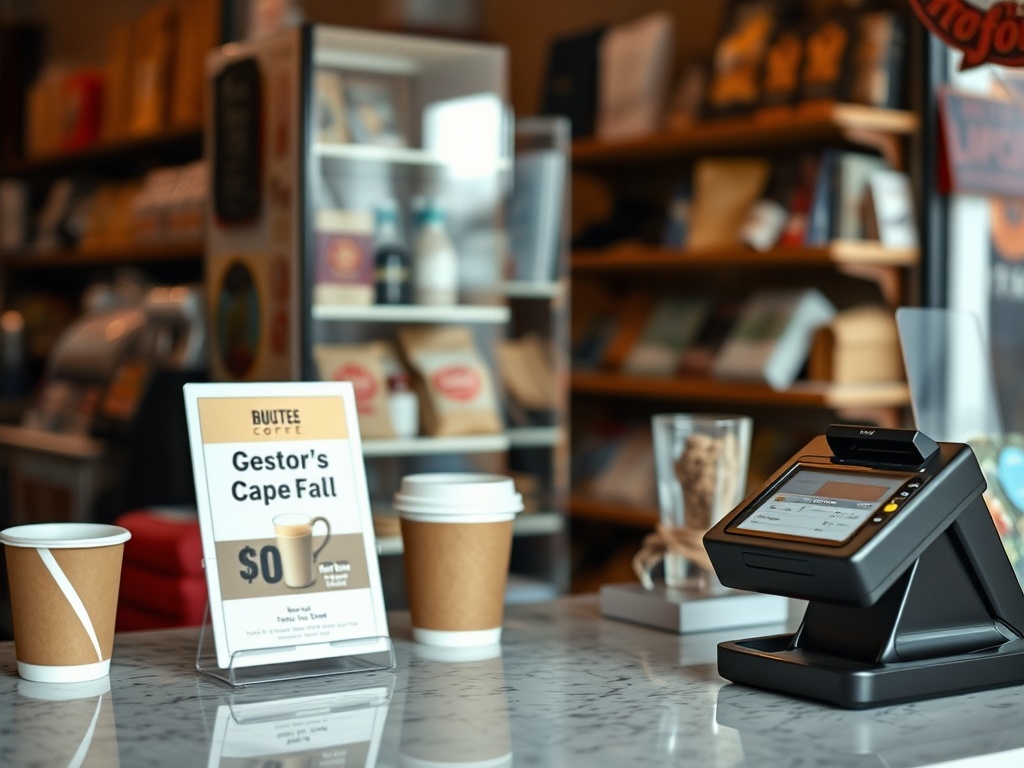
| Window, counter, or receipt promotion | Nearby foot traffic | QR scans, walk-ins, code use | Low |
| Educational workshop | Expertise-driven businesses | Registrations, consultations, email signups | Medium |
| Shared loyalty perk | Repeat local customers | Repeat visits, retention, partner redemptions | Medium |
The best first partnership is usually small. A simple referral code, weekend event, or co-branded educational session can teach more than a complicated campaign.
Make the customer benefit specific
A partnership should answer the customer's question: "Why is this useful to me right now?" A vague "support local" message may feel nice, but a specific benefit performs better. Examples include a moving checklist with discounts from local service providers, a post-workout coffee perk, a homebuyer welcome bundle, or a neighborhood workshop on small-business finance.
Avoid offers that train customers to see both businesses as discount brands. Discounts can work, but they should be tied to a clear behavior such as first visit, event attendance, bundle purchase, or loyalty milestone. Non-discount benefits can include convenience, education, early access, bonus service, or curated recommendations.
Use each partner's strongest channel
One business may have strong foot traffic. Another may have an engaged email list. Another may have a strong Google Business Profile, active social following, or regular events. A good partnership uses each channel where it is credible.
Google's official Business Profile help center shows how central business profiles are to local discovery. If a partnership creates an event, special offer, or new service connection, make sure business profiles, websites, email, and in-store materials tell the same story. Customers should not have to decode different messages.
Set tracking before launch
Local partnerships often fail to prove value because nobody sets tracking. Use unique codes, landing pages, QR codes, POS notes, referral questions, event sign-in forms, call tracking, or simple manual logs. The method does not need to be complex. It does need to be agreed before promotion starts.
Track awareness and business outcomes separately. Awareness metrics include profile visits, event attendance, email signups, QR scans, social engagement, and referral mentions. Business metrics include new customers, sales, average order value, repeat visits, and margin. A campaign may create awareness before revenue, especially for considered purchases.
Protect the relationship with clear terms
Even friendly local partnerships need clarity. Agree on the offer, promotion dates, responsibilities, customer handoff, brand usage, tracking method, costs, staffing, and how results will be reviewed. Put the basics in writing, even if the agreement is simple. This prevents confusion when both teams get busy.
Also protect customer trust. Do not share customer data without proper permission. Do not imply endorsement of a service you have not vetted. Do not overpromise on behalf of a partner. A local partnership is only useful if customers feel the recommendation was responsible.
Review results and deepen only what works
After the first campaign, compare effort to outcome. Did customers understand the offer? Which channel produced the most engagement? Did the partner send the right customers? Did staff explain the promotion correctly? Was the discount or perk sustainable? Did either business feel the workload was unfair?
Use the answers to decide whether to repeat, refine, or stop. Good partnerships often deepen gradually: referral offer, then event, then bundle, then seasonal campaign.
Turn nearby trust into repeated visibility
The next move is to list ten nearby businesses that serve the same customer journey, then choose one low-risk partnership to test for 30 days. Start small, track clearly, and review honestly. Local partnerships grow awareness when they make customers' lives easier and give both businesses a credible reason to keep showing up together.
Give staff a simple talk track
Frontline teams often determine whether a local partnership feels natural. Give staff a short explanation of the partner, the customer benefit, the offer rules, and the tracking step. If employees cannot explain the promotion in one or two sentences, customers will not understand it either. A simple talk track protects the customer experience and makes results easier to compare across locations or shifts.