Domain: craftcanvas.net/ | Content Type: Tools/Resources | Search Intent: Commercial Investigation | Audience/Funnel: Product-aware bottom-funnel
Top Tools and Templates for Gala Format in Event Operations works best when teams build a practical operating stack for high-touch fundraising, awards, sponsor hosting, and formal guest movement. The practical goal is to turn gala event format tools from a planning phrase into a repeatable decision system that improves the event before money, staff time, or audience trust is wasted.
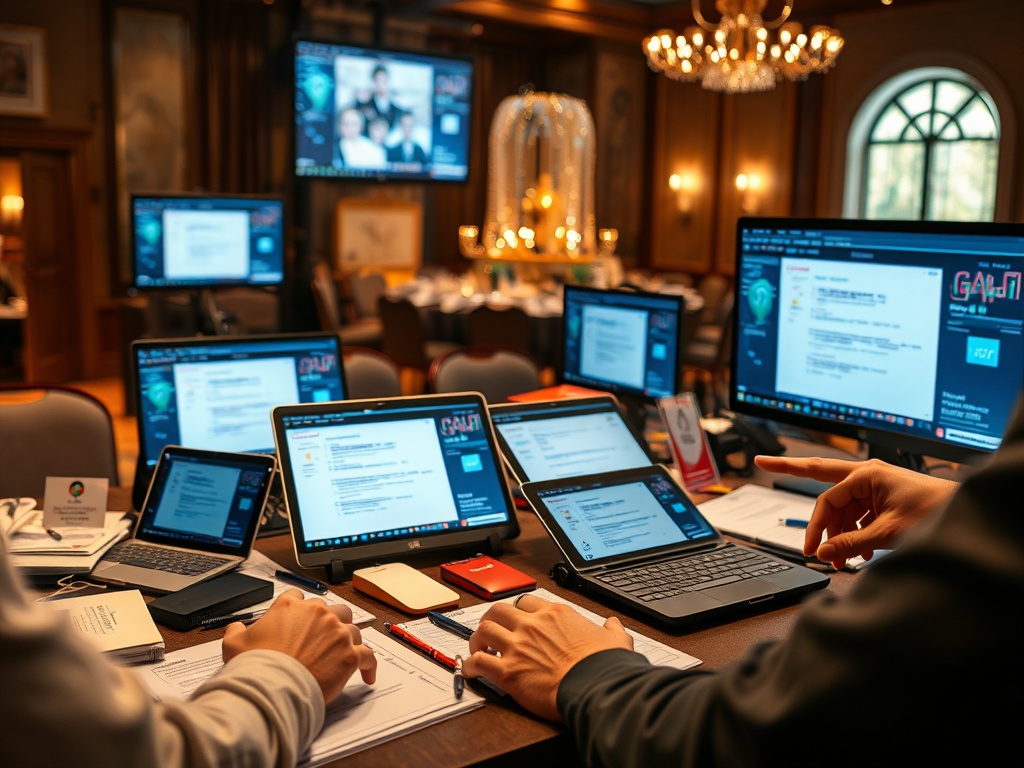
Gala Operations Toolkit Snapshot
- Start with the planning problem: gala teams often know the desired atmosphere but lack templates that connect guest experience, payments, seating, sponsor commitments, and run-of-show control.
- Make the decision explicit: which tools should manage donor data, table assignments, production cues, payment security, volunteer roles, and post-event sponsor proof.
- Use a working system: a lean toolkit with a master timeline, guest list source of truth, auction or pledge tracker, seating map, production run sheet, accessibility notes, and sponsor fulfillment log.
- Review outcomes with usable signals such as RSVP completion, payment exceptions, seating conflicts, pledge capture, sponsor asset approvals, check-in wait time, and post-event report completeness.
Where Event Formats & Experience Design Teams Usually Lose Control
The first warning sign is not always a missed deadline. It is often a planning conversation where every department uses different assumptions. Marketing may define the audience by channel. Operations may define it by venue behavior. Finance may define it by ticket or sponsor value. When those views never meet, the event plan becomes a stack of separate documents instead of one coherent operating model.
A stronger approach begins with one source of planning truth. That does not mean one giant spreadsheet for everything. It means every workstream can explain why a choice supports the event goal, the audience expectation, and the operational reality. For example, a ticketing choice should connect to buyer behavior, not just payment processing. A venue decision should connect to attendee flow, not just room style.
Teams can sharpen that connection by reviewing adjacent decisions early. For instance, a persona or pricing discussion becomes more useful when it is compared with how data-rich virtual site tours is changing venue selection for event teams, because the related article gives planners another way to test whether the decision has practical consequences beyond the meeting room.
The Operating Standard Behind the Decision
For tools/resources content, the standard should be practical enough for a busy event team to use under pressure. A good standard names the owner, input, deadline, approval rule, fallback option, and evidence required. Without those elements, even a smart recommendation becomes hard to repeat.
Accessibility and communication should also be part of early planning rather than treated as an add-on. The PCI DSS is a useful reference point when the event involves public participation, digital content, guest communication, or onsite support. The specific obligation may vary by location and event type, but the planning habit is the same: identify needs early and document how the team will respond.
This is also where subjective preference should be separated from verified information. A planner may prefer a sleek registration path, a dramatic venue, or a premium guest format. Those preferences can be valid. They should not be presented as facts unless the team can point to confirmed schedules, published policies, measured audience behavior, signed vendor scopes, or direct attendee data.
Comparison Points for Better Event Decisions
| Tool or template | Best use in a gala | What to verify |
|---|---|---|
| Guest and donor CRM | Keeps invitations, giving history, table hosts, and follow-ups connected | Export quality and permission controls |
| Seating and floor-plan tool | Prevents table conflicts and supports VIP flow | Venue dimensions and access routes |
| Run-of-show template | Aligns meals, awards, auction moments, speeches, and entertainment | Cue owners and backup contacts |
| Payment and donation system | Handles ticket sales, pledges, add-ons, and receipts | PCI responsibilities and refund settings |
How to Build the Review Loop
The review loop should start before the event goes public. Document the first version of the decision, the reason behind it, the data that supports it, and the point at which the team will reconsider. This keeps people from treating the first plan as permanent. It also gives leaders a calmer way to adjust when registration pace, sponsor feedback, venue limits, or staffing conditions change.
A useful review meeting is short but specific. Ask what changed, what evidence supports the change, what audience or stakeholder is affected, and what the cost of action or inaction looks like. The answer should lead to a decision, not another round of abstract discussion. If the team cannot name the decision owner, the loop is not ready.
The related planning habit is visible in best practices for event audience personas and positioning in modern event planning. That topic can help teams test whether a single event decision is being stretched too far or whether a different format, tool, or campaign stage would serve the same audience with less risk.
Technology and Data Checks Before Execution
Data quality matters because RSVP completion and other signals are only useful when they are captured consistently. Decide which system owns each record, who can edit it, how exceptions are handled, and how reports will be exported after the event. This is especially important when a vendor platform, CRM, payment tool, event app, or automation layer is involved.
For digital experiences, the ADA effective communication guidance can help teams think about accessible web content, forms, and event information. That does not replace legal advice or platform testing, but it gives planners a credible baseline for asking better questions of vendors and internal teams.
Common Mistakes to Remove Before Launch
One common mistake is creating a polished plan that no frontline owner can use. Another is measuring success with numbers that sound impressive but do not answer the business question. A third is waiting until after launch to check whether tools, staff, and communications match the original promise. These issues are preventable when the team defines proof, ownership, and escalation early.
Another risk is overgeneralizing from one event to the next. A gala, conference, pop-up, workshop, webinar, festival, and executive roundtable can share planning principles, but they do not share the same tolerance for cost, crowd movement, data capture, or audience patience. Treating them as interchangeable often produces avoidable friction.
A broader operational view is covered in if you’re dealing with tickets are not converting, fix ticket pricing first, which can help planners connect this article’s decision framework to another part of the event lifecycle without forcing every answer into one template.
Choose Tools That Protect the Guest Moment
A strong event decision is not just creative, organized, or data-informed. It is explainable. The team should be able to say what was chosen, why it was chosen, what evidence supported it, when it will be reviewed, and what would trigger a change. That level of clarity protects the attendee experience and makes future planning faster.
Events content is for informational and educational purposes only. It does not constitute legal, financial, travel, immigration, safety, accessibility, or contractual advice. Readers should verify details directly with official event organizers, venues, vendors, regulators, and qualified professionals before making ticketing, travel, participation, or operational decisions.
Map your gala from invitation to thank-you reporting, then select only the tools that remove a real handoff risk or improve a measurable guest touchpoint.