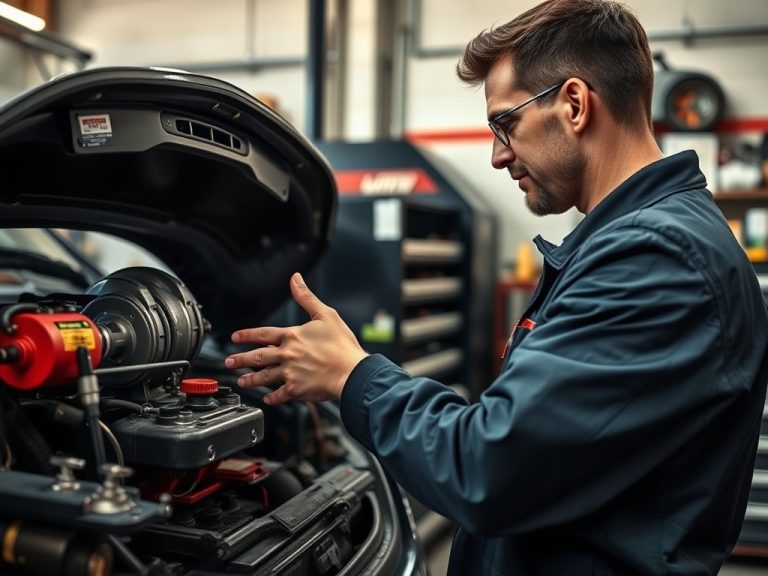
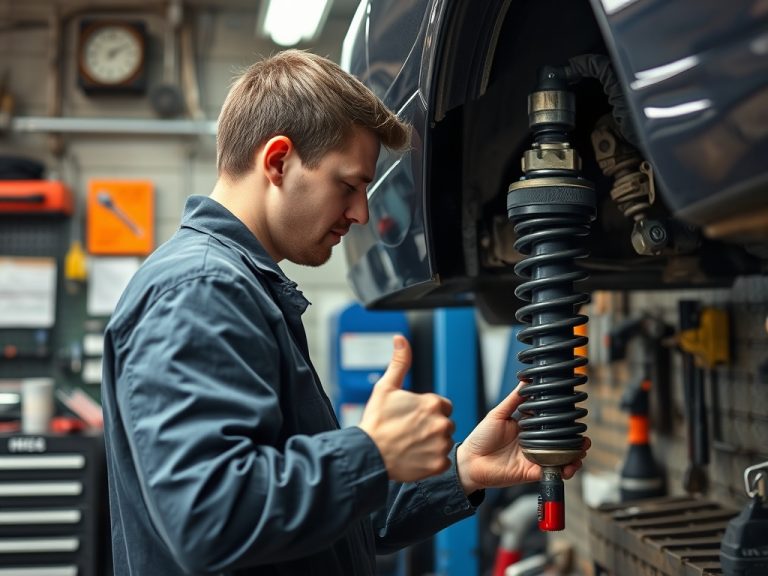
A dead EV on the road should be handled like a roadside safety event first and a battery problem second. Move out of traffic if possible, make the vehicle visible, avoid touching high-voltage components, and call the right roadside provider with your location, charge status, and warning messages.
Key takeaways: • Safety and visibility come before troubleshooting. • Most dead-EV situations involve either the high-voltage battery, the 12-volt system, charging access, or software faults. • Towing method matters because many EVs cannot be dragged like older vehicles.
Get the vehicle and people safe first
If the vehicle still has limited power, move to a shoulder, parking lot, or safe turnout. Turn on hazard lights, stay belted if traffic is close, and exit only when it is safe. At night or in poor weather, visibility is the priority.
Do not open orange high-voltage cables, battery housings, or damaged underbody panels. NHTSA’s EV safety information explains that electric and hybrid vehicles use systems that differ from conventional vehicles, and damaged high-voltage components should be treated cautiously.
Identify the type of “dead” you are dealing with
A vehicle that will not drive may still have cabin power, dashboard messages, and accessories. That can point toward traction-battery state, drive-system faults, charging-port issues, or thermal protection. A vehicle with no screens, no locks, and no response may have a 12-volt battery problem.
Drivers often assume every EV roadside event is a depleted main battery. In real life, a weak 12-volt battery can prevent computers and contactors from waking up, even when the high-voltage pack has charge.
For additional context, the NHTSA EV safety resource can help readers verify the broader safety or compliance background, while this site's guide to EV Cooling Plate Leaks and Other Low-Volume but High-Cost Repairs gives a related maintenance decision to compare before approving work.
What information to give roadside assistance
Share your exact location, whether the car is in a lane or safe area, the displayed state of charge, dashboard warnings, whether the vehicle can shift into neutral, and whether there was a collision, water exposure, smoke, burning smell, or coolant leak.
If the vehicle recently showed thermal warnings or coolant loss, it may connect to the kind of low-volume, high-cost issue discussed in EV cooling plate leaks and other repairs. Roadside providers need to know that before choosing a tow method.
When symptoms overlap, it can also help to read Brake Master Cylinder Failure Symptoms Drivers Often Miss so the issue is not confused with a neighboring service category.
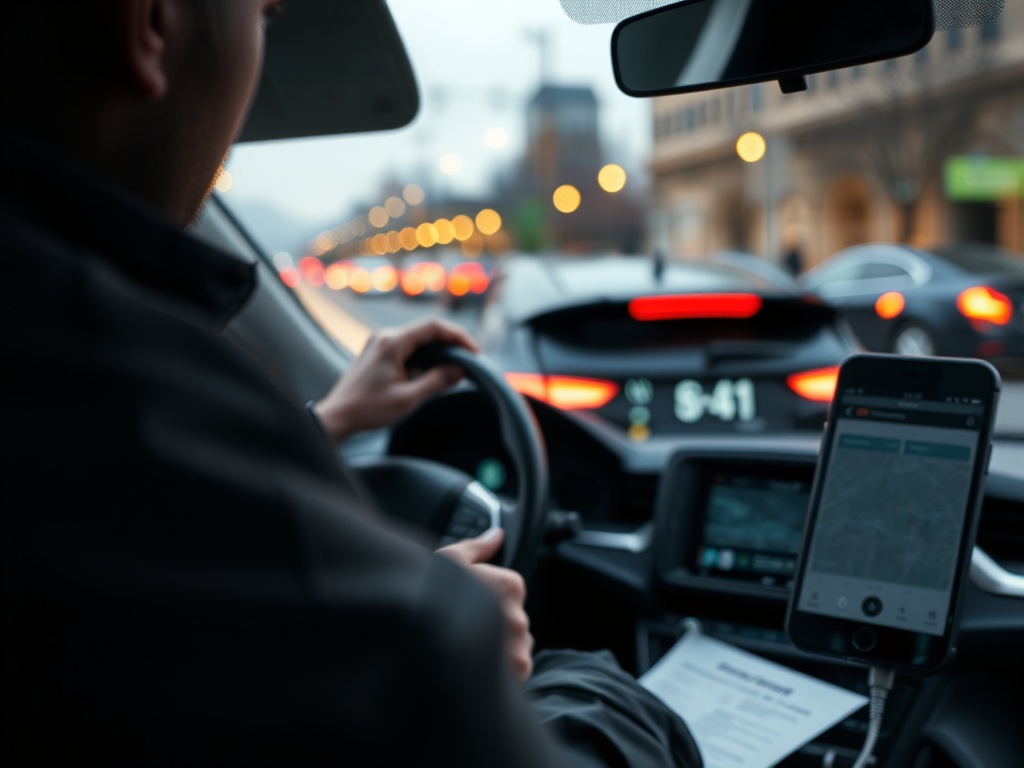
Charging problem or vehicle problem?
If the EV died at a charger, the issue may be the station, connector, payment session, charge-port lock, software handshake, or the vehicle. Try another stall only if it is safe and the car can still move. Do not force a connector or keep retrying if warning messages appear.
For charging-site failures, document the station number, time, error screen, and vehicle message. If the text is on a public screen, take a photo for your records, but do not rely on the station operator to diagnose the car.
Towing details that matter
Many EVs require a flatbed or specific wheel-lift procedure. Dragging a vehicle incorrectly can damage drive units or create safety issues. Check the owner’s manual app if accessible, and tell the provider it is an EV before they dispatch equipment.
Drivers should also ask where the vehicle is being taken: a dealer, EV-qualified independent shop, tire facility, or safe charging location. A dead EV after a simple tire problem needs a different destination than a vehicle with high-voltage warnings.
After the roadside event
Save screenshots, tow receipts, and warning messages. If the vehicle is under warranty, contact the manufacturer or dealer before approving paid repairs. If a recall could be involved, the NHTSA recall lookup can help you check open safety campaigns by VIN.
Do not clear warnings just to make the car feel normal. Fault history may help the technician see what happened before the vehicle shut down.
Leave the road with fewer guesses
A dead EV is stressful because the dashboard can go quiet fast. The calmer process is safety, visibility, provider selection, correct towing, and then diagnosis. That order protects both the passengers and the vehicle.
Because rules and procedures vary by vehicle and location, checking NHTSA recall lookup can give readers a more authoritative baseline before they compare local advice.
Roadside notes to save before the tow
Write down the last successful charge, the state of charge when the issue started, weather conditions, and any dashboard warnings. If the vehicle lost power after a pothole, water exposure, or collision, say that clearly when calling for help.
After the tow, do not let the event disappear into a vague phrase like “car died.” The better record is a timeline: what the vehicle did, what the driver tried, what changed, and where the vehicle was taken. That timeline helps the repair facility avoid starting from zero.
Leave the roadside with a safer plan
Use the article as a decision aid: document the symptoms, ask for the evidence behind the recommendation, and choose the next step that protects safety, reliability, and long-term repair value.