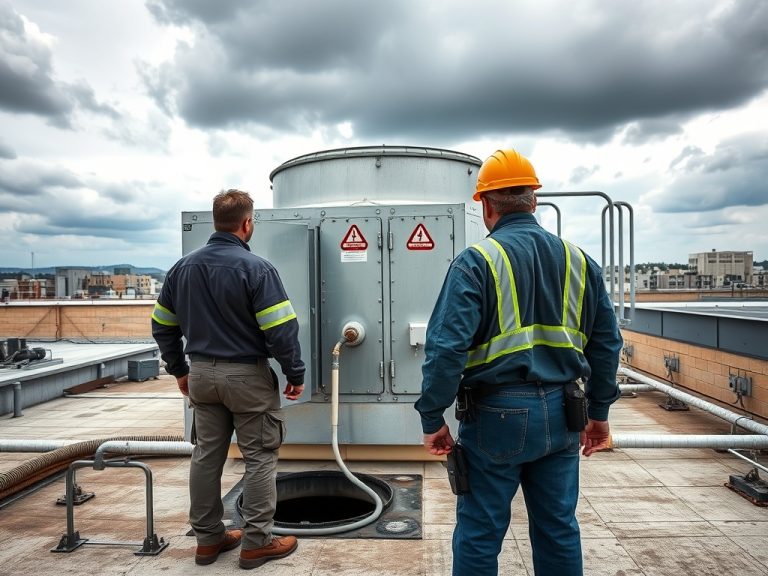
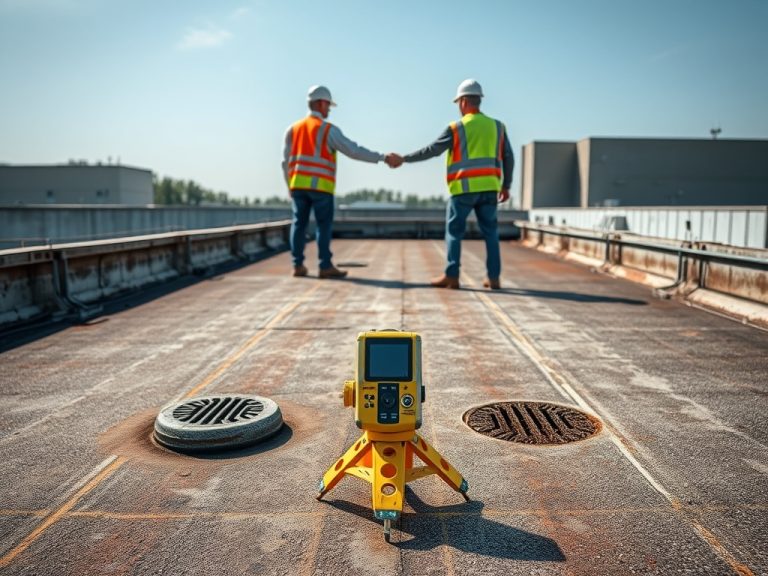
Crane lift planning is the process of confirming that the load, crane, rigging, ground conditions, people, communication, and work area are ready before the hook moves. Site supervisors do not need to replace lift directors or engineers, but they do need to know what questions protect the crew and schedule.
Crane Planning Snapshot: A lift plan is not paperwork for the file. It is the shared field agreement for what will be lifted, how it will be controlled, who has authority, and when work must stop.
Why supervisors play a central role
Crane operations bring together operators, riggers, signal persons, delivery drivers, subcontractors, pedestrians, nearby structures, utilities, weather, and ground conditions. A supervisor may not design the lift, but they often control the site conditions around it. That makes them critical to preparation.
OSHA's Cranes and Derricks in Construction Subpart CC lays out federal construction requirements for covered crane and derrick activities. Site teams should also follow state plans, local rules, manufacturer requirements, owner requirements, and qualified lift-planning procedures.
A useful supervisor mindset is simple: if the site is not ready, the lift is not ready.
What a lift plan should clarify
The level of detail depends on the lift. A routine pick may use a standard plan, while a critical or engineered lift may require deeper review. Avoid using labels casually. Define the company's criteria for critical, complex, tandem, blind, personnel, or high-risk lifts before field pressure begins.
| Planning item | Why it matters | Supervisor check |
|---|---|---|
| Load information | Weight, dimensions, center of gravity, and pick points affect crane and rigging choice | Confirm documentation is available and current |
| Crane setup | Radius, boom length, configuration, and capacity must match the lift | Keep work area clear and match the approved setup |
| Ground conditions | Support failure can lead to instability | Verify access, mats, slopes, drainage, and underground concerns |
| Rigging | Hardware and sling angles affect load control | Confirm qualified riggers and inspection process |
| Communication | Signals and radios prevent confusion | Identify signal person and stop-work authority |
| Exclusion zone | Workers and public must be kept clear | Install barriers and control access before the lift |
| Weather | Wind, lightning, visibility, and ground saturation affect safety | Monitor conditions and pause when limits are reached |

Ground conditions are not a paperwork detail
OSHA's 1926.1402 ground conditions standard addresses the need for ground conditions that support equipment assembly and use. Supervisors should understand that soil, compaction, drainage, underground utilities, voids, slopes, recent excavation, and temporary fills can change the lift risk.
Do not assume that a paved surface is automatically suitable. Do not assume yesterday's setup remains safe after rain, excavation, or heavy traffic. Ask how ground-bearing information was determined and who has authority to approve supporting materials such as mats, cribbing, or blocking.
This connects directly to project phasing. Early planning during construction phases from pre-design to closeout can preserve crane access routes, staging areas, and delivery sequencing before the site becomes congested.
Communication should be boring and clear
Before the lift, everyone should know who the lift director or responsible person is, who signals, who rigs, who controls access, and who can stop the lift. OSHA's signal requirements include communication rules for crane operations, and the basic field principle is that unclear communication stops work.
ASME's B30.5 standard page describes the safety standard for mobile and locomotive cranes. Standards and regulations do not replace site judgment, but they reinforce why lift planning must be formal enough that roles are not invented during the pick.
Delivery timing and public protection
Many lift problems begin before the crane arrives. Trucks may show up out of sequence, loads may be blocked by stored materials, or a street closure may not match the actual delivery window. Supervisors should coordinate delivery routes, laydown areas, pedestrian controls, and public protection with the same seriousness as the pick itself.
For active facilities, communication should be specific. Occupants need to know which doors, parking areas, sidewalks, loading docks, or roof zones will be restricted and when they can be used again. If the lift crosses or affects public space, the plan may involve permits, traffic control, police details, utility coordination, or owner notifications depending on the jurisdiction.
A clean lift area also protects productivity. When stored materials, dumpsters, lifts, or temporary power cords crowd the setup zone, the crane crew may lose time correcting site conditions that should have been ready. Field supervisors can prevent this by walking the area before mobilization and again before the lift briefing. They should also confirm that adjacent work crews know the schedule, because a safe exclusion zone can fail quickly if another trade assumes the area is still open for normal access. Work near energized lines, occupied entrances, or public roads should be escalated early because coordination requirements can change the entire lift plan and approval sequence significantly.
Lift Briefing Points Before the Hook Moves
A short pre-lift briefing should confirm:
1. The load, pick points, and destination are known.
2. The crane configuration matches the plan.
3. Ground support and setup location are approved.
4. Rigging gear has been inspected and matches the lift.
5. Signal and radio communication are understood.
6. Exclusion zones are installed and monitored.
7. Weather and visibility are acceptable.
8. Emergency stop authority is clear.
9. The path of travel is clear of people, power lines, structures, and stored materials.
10. The team knows what condition will stop or postpone the lift.
Crane lifts often touch other maintenance and construction topics. Replacing rooftop equipment may affect cooling tower maintenance, while a serious incident or near miss should be handled with the record discipline described in OSHA logs for small contractors.
This article is educational only and is not a lift plan, engineering instruction, safety program, legal advice, or substitute for qualified crane professionals. The next step is to review your company's lift plan template with supervisors, operators, riggers, signal persons, safety staff, and the authority responsible for crane operations before the next crane mobilization.