Brake master cylinder failure often starts as a brake pedal that feels soft, slowly sinks, or needs extra travel before the vehicle slows. Because those symptoms can also come from air, leaks, hoses, or worn friction parts, the safest answer is to treat them as urgent until a proper brake-system diagnosis proves otherwise.
Key takeaways: • A sinking pedal is the clearest warning sign. • Low fluid without an obvious wheel leak can still point to hydraulic trouble. • Temporary pumping is not a repair; the system needs inspection before normal driving.
Why this part is easy to blame too late
The master cylinder turns pedal force into hydraulic pressure. When its internal seals wear, fluid can bypass pressure chambers instead of pushing the calipers or wheel cylinders with full force. A driver may notice the pedal feels normal at first, then slowly drops at a light, or the first stop of the morning feels different from the next one.
One reason drivers miss the problem is that brake feel changes gradually. A vehicle may still stop in routine traffic, which can make the symptom feel like a nuisance rather than a safety issue. That is a risky assumption. Brake issues can worsen without warning, especially if a leak, contaminated fluid, or internal seal failure is involved.
Symptoms that deserve a brake inspection now
Common signs include a soft or spongy pedal, a pedal that sinks while held, longer stopping distance, a red brake warning light, visible wetness near the booster, or repeated low-fluid readings. Dark or contaminated brake fluid does not prove the master cylinder has failed by itself, but it does tell the technician to look for internal deterioration and system-wide contamination.
Brake warning lights should not be treated as routine reminders. Drivers can use the NHTSA recall lookup as a supporting check when safety-related brake defects are suspected, but recall status does not replace diagnosis on the vehicle in front of you.
For additional context, the NHTSA recall lookup resource can help readers verify the broader safety or compliance background, while this site's guide to Questions to Ask Before Approving Major Suspension Repair gives a related maintenance decision to compare before approving work.
What a good diagnostic process rules out first
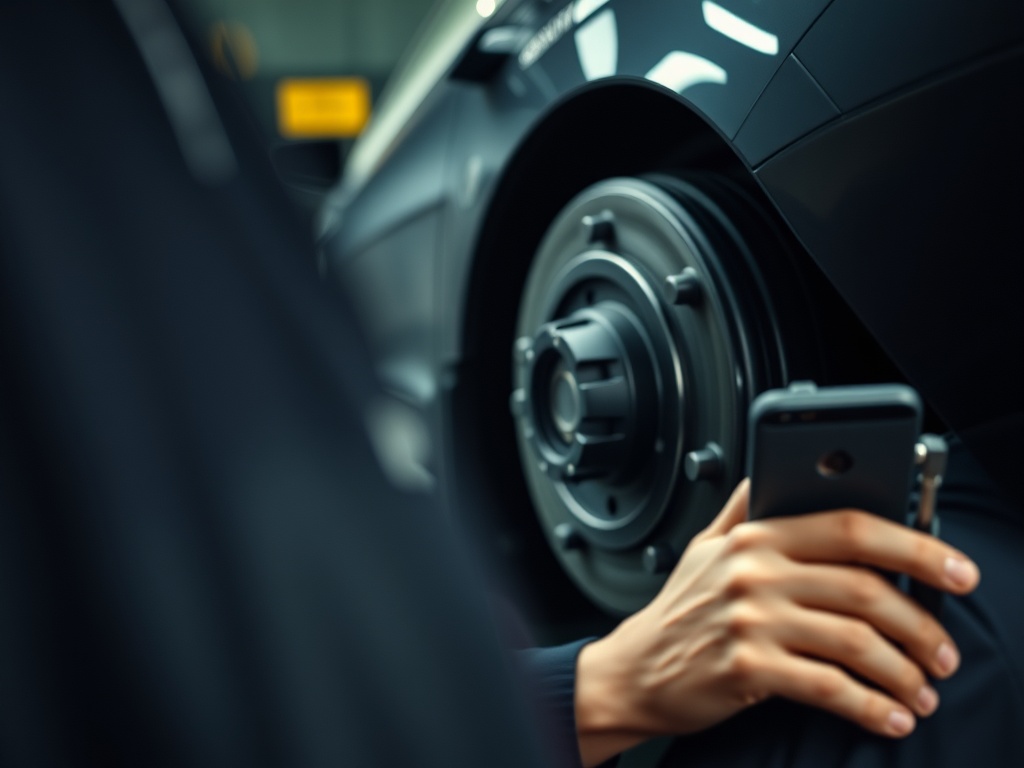
A careful technician should inspect the fluid level, reservoir, master cylinder body, brake booster area, lines, hoses, calipers, wheel cylinders, and bleeder screws. The goal is to separate external fluid loss from internal bypassing. If the system has air, a loose fitting, or a failing flexible hose, the pedal may feel similar to a weak master cylinder.
Good diagnosis also checks recent service history. If the pedal changed right after brake pads, calipers, lines, or ABS hydraulic work, air may have entered the system. If the pedal gradually sinks without a visible leak, an internal master-cylinder issue becomes more likely.
When symptoms overlap, it can also help to read How to Handle a Dead EV on the Road so the issue is not confused with a neighboring service category.
Temporary measures versus a real fix
Pumping the brake pedal may temporarily build pressure, but it should never be treated as a normal driving technique. Topping off brake fluid can help reveal whether the level is dropping, but it does not solve the reason fluid was low. If the pedal reaches the floor, the vehicle should be parked and towed rather than driven to a shop.
Proper repair usually means replacing the failed component, using the correct brake fluid specification, bleeding the system, and confirming that the pedal remains firm under pressure. Some vehicles with ABS may require scan-tool-assisted bleeding, so a simple driveway bleed may not fully restore the system.
How cost drivers usually vary
Cost depends on vehicle design, parts availability, fluid type, labor access, and whether related parts are contaminated or leaking. A straightforward replacement is different from a job that also needs brake lines, calipers, hoses, or ABS service. A fair estimate should identify the failed part, explain what testing supports the recommendation, and describe any related risks.
If the estimate grows, use the same approval discipline you would use when reviewing questions before approving major suspension repair. Ask what is safety-critical now, what can be monitored, and what proof supports each recommendation.
What to monitor after service
After repair, the pedal should feel consistent, the fluid level should stay stable, and no warning lights should return. During the first few drives, pay attention to pedal travel, pulling, burning smells, or any dampness near wheels or under the hood. Any repeat softness should be rechecked quickly.
A completed brake repair is not just a parts swap. It should end with a road test, leak check, and clear explanation of what changed. For drivers who also manage electrical or roadside risks, the same mindset applies to issues such as how to handle a dead EV on the road: stabilize the situation first, then diagnose before guessing.
A safer decision before the next drive
If the brake pedal feels unpredictable, do not wait for a complete failure to make the issue real. Have the vehicle inspected, ask for the diagnostic findings in plain language, and approve repairs based on safety evidence rather than fear or guesswork.
| Symptom | Possible meaning | Urgency |
|---|---|---|
| Pedal slowly sinks | Internal bypass or external leak | High |
| Low brake fluid | Leak, worn components, or service issue | High |
| Spongy pedal after service | Air in hydraulic system | Moderate to high |
| Brake warning light | Fluid level, pressure, or system fault | High |
Owner notes that make brake diagnosis clearer
Before the appointment, write down when the pedal changed, whether fluid has been added, and whether any brake work was done recently. Those notes help separate a new hydraulic failure from air introduced during service or a leak that has slowly lowered the reservoir.
If another driver uses the car, compare impressions. One driver may notice long pedal travel while another notices the warning light. Matching those observations gives the technician a better first test and reduces the chance of replacing parts based only on a quick road test.
Brake confidence before you drive again
Use the article as a decision aid: document the symptoms, ask for the evidence behind the recommendation, and choose the next step that protects safety, reliability, and long-term repair value.