Cooling tower maintenance is not just a mechanical task. The safest approach is to treat every cleaning, inspection, and chemical adjustment as part of a written water management program that controls scale, corrosion, sediment, and microbial growth together.
Cooling Tower Takeaway: Keep the tower clean, keep water treatment documented, and make small corrections before heat, stagnant water, or neglected drift control turn routine maintenance into a water quality problem.
Why water quality changes during routine maintenance
A cooling tower rejects heat by exposing recirculating water to air. That process is efficient, but it also concentrates minerals, collects airborne debris, and can create warm, wet surfaces where biofilm may develop. The risk is not that every tower is unsafe. The risk is that a tower can look mechanically functional while its basin, fill, strainers, chemical feed, and control records tell a different story.
The CDC water management program toolkit frames building water safety around identifying hazardous conditions, setting control measures, monitoring them, and documenting corrective action. That same mindset works well for cooling tower maintenance because it prevents teams from treating cleaning, treatment, and recordkeeping as separate chores.
A common best practice is to assign ownership for inspections, water treatment review, cleaning schedules, and outside laboratory coordination. That does not replace specialist advice. It simply reduces the chance that one contractor assumes another party is watching the system.
Build maintenance around a water management plan
A practical cooling tower plan should answer four questions: what is being controlled, how it is measured, who acts on abnormal results, and where records are kept. The exact control limits depend on the equipment, water source, treatment program, local rules, and qualified water treatment guidance. Avoid copying chemical targets from another property.
The plan should normally include:
- A tower inventory with make, model, location, access points, and connected equipment.
- Startup, seasonal operation, shutdown, and layup procedures.
- Inspection points for basin sediment, drift eliminators, fill condition, strainers, leaks, and visible biological growth.
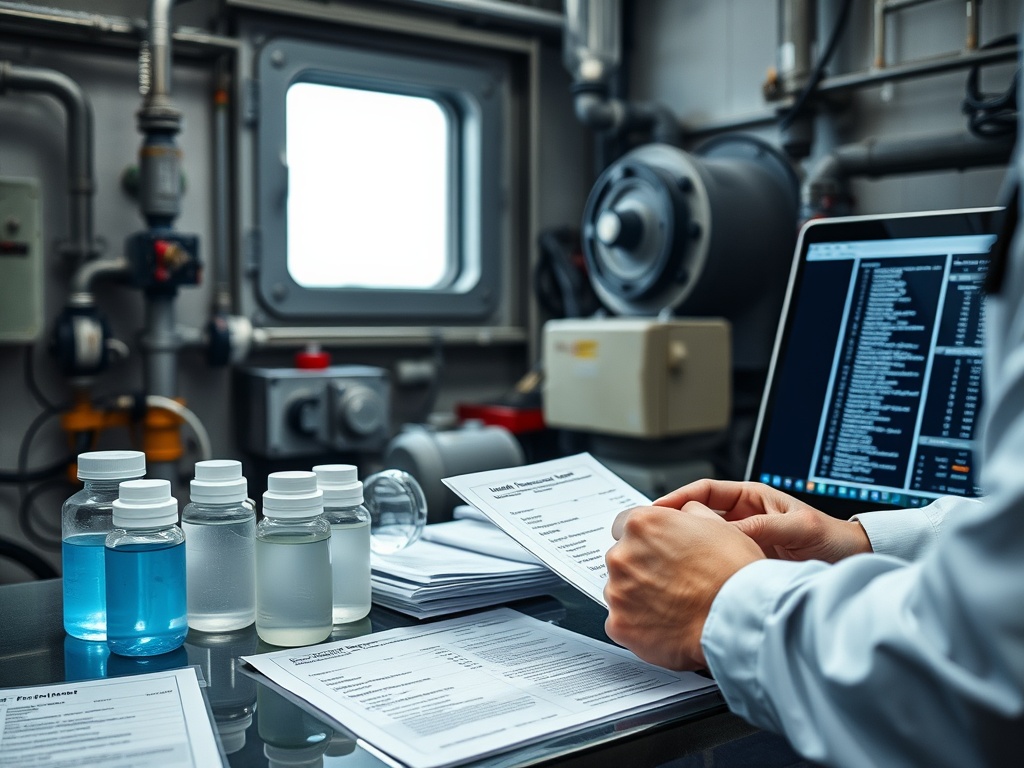
- Water testing responsibilities, including who samples, where samples are taken, and how results are reviewed.
- Corrective actions for missed treatment, poor circulation, failed pumps, uncontrolled scale, or unusual odor.
- Documentation rules for cleaning, biocide changes, contractor visits, and out-of-range findings.
For facilities that are also planning space or equipment changes, the same documentation discipline used in future tenant flexibility during office construction can help maintenance teams preserve access, utilities, and safe service pathways around roof or plant equipment.
Maintenance actions that protect both equipment and water
The biggest mistake is to focus only on visible debris. Cleaning matters, but water quality depends on circulation, treatment, heat load, and record discipline. OSHA notes that cooling towers, evaporative condensers, and fluid coolers can create conditions for microbial growth when not properly controlled, especially because these systems generate aerosols. The agency's Legionnaires' disease control and prevention guidance points to design, maintenance, cleaning, and disinfection as part of prevention.
| Maintenance focus | Water quality risk if ignored | Record to keep |
|---|---|---|
| Basin cleaning | Sediment can shield deposits and interfere with treatment | Cleaning date, observations, removed debris |
| Chemical feed | Underfeed or overfeed can create corrosion, scaling, or microbial risk | Test results, feed settings, corrective actions |
| Drift eliminators | Poor condition can increase aerosol release | Inspection notes and replacement records |
| Strainers and nozzles | Restricted flow can create uneven wetting or stagnant zones | Inspection photos and service dates |
| Shutdown and layup | Idle water may support deposits or microbial growth | Drain, clean, treatment, and restart checklist |
Avoid maintenance shortcuts that create new problems
A tower can be damaged by good intentions applied without context. Aggressive cleaning may disturb deposits without fully removing them. Chemical changes made without treatment oversight may shift corrosion or scale risk. Flushing a system without a clear restart process may leave dead legs or stagnant sections.
Three shortcuts deserve special attention. First, do not treat visible clarity as proof of safe water quality. Clear water can still have chemistry or microbial problems. Second, do not ignore the makeup water source. Changes in hardness, suspended solids, or seasonal quality can affect treatment performance. Third, do not clean the tower and then skip follow-up testing. The value of maintenance comes from confirming that the system returned to control, not from checking a task off a calendar.
Local requirements can also vary. Some jurisdictions have registration, inspection, cleaning, reporting, or Legionella testing obligations for cooling towers. Treat national guidance as a foundation and confirm the rules that apply to the property.
Coordinate work before access becomes a safety issue
Cooling towers often sit on roofs or in cramped mechanical yards. A water-safe plan should also be a safe-work plan. Confirm fall protection needs, lockout expectations, chemical handling procedures, and weather limitations before work starts. When maintenance requires hoisting pumps, motors, fill packs, or large panels, the planning mindset described in crane lift planning basics for site supervisors becomes relevant even for routine replacement work.
This coordination also helps protect building occupants. Schedule work so intake locations, access doors, pedestrian paths, and tenant communications are handled before cleaning or disinfection begins. For occupied facilities, a simple notice and isolation plan can prevent confusion when odors, temporary noise, or roof access restrictions occur.
Water-Safe Maintenance Checklist
Use this as a practical maintenance framework, then adapt it with a qualified mechanical, water treatment, or compliance professional.
1. Confirm the tower is listed in the building water management program.
2. Review the last inspection, cleaning, and treatment records before starting work.
3. Check basin condition, strainers, fill, nozzles, drift eliminators, access panels, and leaks.
4. Verify circulation, bleed control, chemical feed operation, and makeup water behavior.
5. Document water test results and compare them with the site-specific control plan.
6. Complete cleaning or corrective work only under the approved procedure.
7. Record who performed the work, what changed, and what follow-up testing is required.
8. Review the plan after abnormal results, seasonal startup, shutdown, or equipment replacement.
Roof access, drainage, and asset age also affect maintenance decisions. If the tower sits on an older roof, coordinate inspections with building envelope planning, especially when roof restoration may make more sense than replacement. Construction and maintenance information here is educational only and is not engineering, legal, compliance, or project management advice. For site-specific decisions, consult the applicable code authority and qualified professionals.