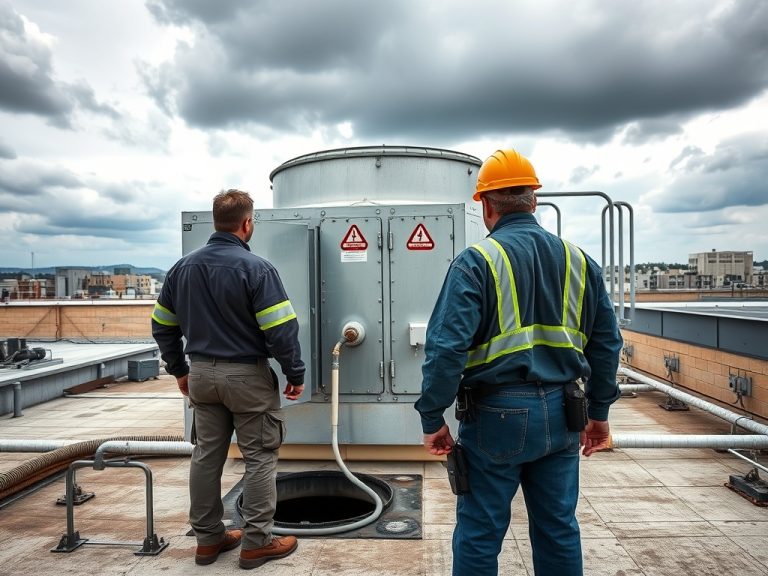
OSHA logs help contractors record certain work-related injuries and illnesses, but not every small contractor has the same routine recordkeeping duties. The practical goal is to know the difference between recording, reporting, and electronic submission before an incident happens.
OSHA Log Snapshot: Forms 300, 300A, and 301 are recordkeeping tools. Severe incident reporting to OSHA is a separate duty that can apply even when routine logkeeping does not.
What OSHA recordkeeping is meant to do
OSHA says its recordkeeping requirements help employers, employees, and the agency identify and address workplace hazards. Its recordkeeping overview explains three major components: recording, reporting, and electronic submission.
For small contractors, the confusing part is that these duties are related but not identical. Recording means maintaining injury and illness records when required. Reporting means notifying OSHA of specified severe events. Electronic submission means sending certain data through OSHA's Injury Tracking Application when size and industry criteria apply.
Do not wait until a foreman calls from the site to figure out which rule applies. A simple written procedure can prevent late reports, incomplete forms, and inconsistent case decisions.
Know the three common forms
OSHA's recordkeeping forms page provides Forms 300, 300A, and 301 with instructions. In general terms, they work like this:
| Form | Purpose | Practical use |
|---|---|---|
| OSHA 300 Log | Running log of recordable work-related injuries and illnesses | Tracks cases during the year |
| OSHA 300A Summary | Annual summary of recordable cases | Posted or certified when required |
| OSHA 301 Incident Report | Detailed incident report for a recordable case | Captures event details and follow-up information |

These forms are not a substitute for workers' compensation, insurance reporting, internal safety investigations, or project owner notifications. They are part of a broader safety documentation system.
Small contractor exemptions are limited
Under 29 CFR Part 1904, many employers do not have to keep OSHA injury and illness records unless OSHA or the Bureau of Labor Statistics tells them to do so. The rules include size and industry-based provisions. Still, construction is a higher-risk industry, and assumptions can be dangerous.
The safest practical approach is to verify current obligations based on establishment size, NAICS classification, and OSHA instructions. Also remember that partial exemption from routine recordkeeping does not erase the duty to report certain serious incidents. OSHA's recordkeeping page states that all employers must report a work-related death within 8 hours and a work-related in-patient hospitalization, amputation, or loss of an eye within 24 hours.
Create a simple incident decision process
A small contractor does not need a complicated system. It needs a consistent one. The person receiving incident information should know what to collect, who reviews recordability, and when outside advice is needed.
A practical workflow:
1. Stabilize the site and arrange medical care as needed.
2. Preserve facts with supervisor notes, photos, witness information, and task details.
3. Determine whether the event is work-related.
4. Decide whether it meets OSHA recordability criteria.
5. Complete the correct form if required.
6. Check whether immediate OSHA reporting is required.
7. Review corrective actions without blaming workers for reporting injuries.
8. Store records securely and consistently.
This same documentation mindset matters in equipment-heavy operations. If a project includes hoisting, rigging, or panel erection, connect the safety file with crane lift planning basics so lift plans, training records, and incident procedures support each other.
Avoid common recordkeeping mistakes
Small contractors often get into trouble because no one owns the process. A foreman may think the office handled it. The office may think the insurance carrier handled it. A project manager may save notes in email but never update the log.
Watch for these mistakes:
- Treating first aid, medical treatment, restricted work, and lost time as interchangeable.
- Recording every minor incident without applying OSHA criteria.
- Failing to report severe events because the company is small.
- Waiting too long to collect witness and task information.
- Posting or sharing more personal medical information than required.
- Letting subcontractor responsibilities remain unclear in the safety plan.
For companies doing residential work, a safety system should also fit small crews. A contractor framing decks, for example, should connect fall protection planning with the work steps described in deck framing basics. For firms working in commercial interiors, safety records should also align with changing site conditions during future tenant flexibility projects.
Train supervisors on the first phone call
The first report from the field often determines how clean the record becomes. Supervisors should know which facts to collect without arguing about blame or medical details beyond what the process requires. Useful first-call information includes the worker's task, location, time, equipment involved, immediate treatment, witnesses, photos, and whether work stopped or changed.
Train supervisors not to promise that a case is or is not recordable. That decision should be made by the person assigned to OSHA recordkeeping, using the rule criteria and any qualified advice the company relies on. The supervisor's job is to protect the worker, stabilize the site, preserve facts, and alert the right people quickly.
This approach also helps subcontractor coordination. Prime contractors and subcontractors should understand who records which employees, how incidents are communicated, and how project owner requirements fit with OSHA duties. Put those expectations in the site safety plan before work begins. The process should also protect privacy. Injury records may contain sensitive information, so access should be limited to people with a legitimate business need, and copies should be stored according to company policy and applicable rules. Annual summary posting, when required, should be assigned to a specific role before the deadline arrives.
A Recordkeeping Routine That Stays Usable
Set up a monthly safety admin review. Confirm open incidents, missing forms, training needs, corrective actions, and any OSHA submission deadlines. Keep blank forms, the company procedure, emergency reporting contacts, and supervisor instructions in one accessible location.
This content is informational and educational only. It is not legal, regulatory, human resources, insurance, or safety consulting advice. The next step is to compare your current incident process with OSHA's official recordkeeping materials and confirm obligations with a qualified safety or legal professional.