Goblet, front, back, and split squats train related patterns, but each one changes balance, loading, mobility, and skill demands.
Squat Selection Brief
- Goblet squats are useful for learning position, front squats reward bracing, back squats allow heavier loading, and split squats expose side-to-side control.
- No squat version is automatically superior; the better choice fits the lifter, equipment, goal, and recovery status.
- Progress one variable at a time so load increases do not hide loss of depth, balance, or trunk position.
A Squat Is a Pattern, Not a Single Exercise
Squat variations train a similar lower-body pattern, but the placement of the load changes the skill. A dumbbell held at the chest encourages a different torso position than a barbell across the shoulders. A split stance changes balance and hip demand. That is why choosing the right squat is a programming decision, not a loyalty test.
The broader health principle is straightforward: adults benefit from strengthening major muscle groups. The Physical Activity Guidelines for Americans describe muscle-strengthening work as part of an active life, but the guideline does not require a barbell. The safest exercise is the one that can be learned, repeated, and progressed with control.
Goblet Squat: Fast Feedback With Simple Equipment
The goblet squat uses a dumbbell or kettlebell held close to the chest. Because the load sits in front, many lifters naturally keep a more upright torso and feel the need to brace. It is a strong teaching option for beginners, warm-ups, tempo work, and home training.
Its limitation is loading. Strong lifters may run out of dumbbell weight before the legs receive enough challenge. That does not make the movement easy or pointless. It means the goblet squat may shift into a warm-up, accessory lift, or high-rep conditioning role once strength rises.
Front Squat: Upright Position With Honest Technique
The front squat places the bar across the front of the shoulders. It often demands ankle mobility, upper-back strength, wrist or shoulder tolerance, and steady bracing. Because the bar is in front, technical errors show quickly. If the torso collapses, the bar path becomes hard to control.
This version can be useful for lifters who want leg strength without the same absolute loading used in a back squat. It can also frustrate people who cannot find a comfortable rack position. Cross-arm grips, straps, or a safety bar can be options, but each changes the feel of the lift.
Back Squat: High Load With Higher Setup Demands
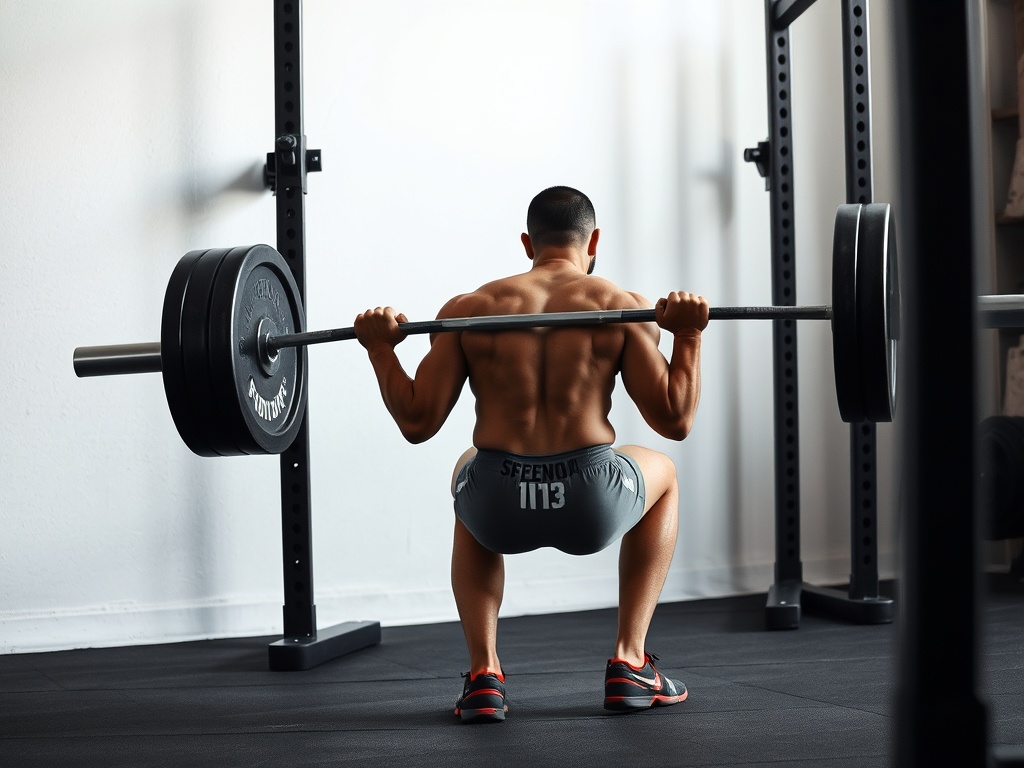
The back squat usually allows the heaviest loading in the squat family. That makes it useful for strength programs, yet it also raises the importance of rack height, safeties, bracing, stance, depth, and spotting. Heavy loading should follow skill, not replace it.
A lifter deciding whether heavy barbell work belongs in the current phase can use the planning approach in setting health and fitness goals. The question is not whether the back squat is respected in gym culture. The question is whether it serves the goal better than another variation right now.
Split Squat: Single-Leg Strength Without Heavy Spinal Loading
A split squat keeps one foot forward and one foot back. It reduces the need for very heavy spinal loading while increasing the demand on balance, hip stability, and single-leg control. It can reveal differences that bilateral squats hide, especially in athletes, runners, and people returning from lower-body setbacks.
The common mistake is treating each rep like a wobbly lunge. A split squat is easier to learn when the stance is fixed, the front foot stays planted, and the torso angle is chosen for the goal. A more upright torso may bias the quads. A slight forward lean may shift emphasis toward the hip.
How to Match the Variation to the Training Block
Use goblet squats when learning, warming up, or training with limited equipment. Use front squats when posture and trunk control are priorities. Use back squats when the primary goal is heavier bilateral strength and the setup is safe. Use split squats when unilateral control, balance, or lower equipment needs matter.
The CDC guidance for adult activity supports strengthening work, but individual exercise selection should still respect pain, fatigue, and skill. A lifter increasing volume may also need a practical nutrition plan; plant-based protein planning can help align meals with training without relying on random snacks.
Two-Session Test Before You Commit
Test the chosen squat across two sessions. In the first, keep the load easy and record comfort, depth, balance, and next-day soreness. In the second, add a small challenge and watch whether technique stays consistent. If the movement becomes noisy under a modest increase, it may not be the right main lift for this block.
Recovery practices also matter after demanding lower-body work. A calm cooldown, slow walking, or short breathing drill may help the transition out of high effort, which connects well with breathwork for recovery and stress regulation. The next useful step is to choose one main squat and one supporting squat for four weeks, then review consistency before changing variations.
Form Checks Before Adding Load
Before adding weight, check three things: the start position is repeatable, the bottom position is controlled, and the finish does not require a dramatic shift. Video from the side can reveal whether the hips shoot back, the heels lift, or the torso changes more than expected. The goal is not a perfect-looking lift; it is a lift that stays consistent as effort rises.
A simple rule is to earn load with two clean sessions. If depth, balance, and bracing remain stable across the planned sets, add a small amount next time. If the lift becomes a different movement under pressure, hold the weight and improve the pattern first.
How to Use Accessory Work Wisely
Accessory work should solve a clear problem. Pause squats can help control depth, Romanian deadlifts can train the hinge pattern, and step-ups can support single-leg stability. Add one accessory at a time so the main squat still gets enough attention and fatigue does not hide technical feedback.
Squat Variation Comparison
| Variation | Best Use | Main Limitation |
|---|---|---|
| Goblet Squat | Learning depth, bracing, warm-ups, and home training | Can become hard to load heavily |
| Front Squat | Upright strength, posture control, and moderate loading | Rack position and mobility can limit comfort |
| Back Squat | Heavier bilateral strength when setup and skill are solid | Requires strong bracing and safe rack setup |
| Split Squat | Single-leg control, balance, and accessory strength | Balance can distract from leg effort at first |
Choose One Squat for the Next Block
Choose the squat that lets you train with control today, then progress slowly enough that technique remains visible. The right variation can change when strength, equipment, mobility, or goals change.