Recovery tech is most useful when it improves habits or decisions; it is mostly hype when it promises to replace sleep, sensible training, and recovery basics.
Recovery Tech Reality Check
- The best recovery tools improve decisions, consistency, comfort, or sleep; they do not replace appropriate training load, food, and rest.
- Wearables, massage tools, compression, cold exposure, and apps vary widely in usefulness depending on the person and the problem being solved.
- Single readiness scores should not override symptoms, performance trends, or professional medical guidance.
Recovery Tech Should Solve a Real Problem
Recovery technology is useful when it changes a decision or makes a helpful behavior easier. A wearable that reveals poor sleep timing may help someone adjust evenings. A massage tool may reduce perceived tightness enough to make gentle movement feel better. A compression garment may feel good after travel. None of these tools replaces sensible training load, enough food, and sleep.
The question is not whether a tool is popular. The question is what problem it solves. If the problem is inconsistent bedtime, a sleep routine may matter more than a new device. If the problem is excessive training volume, no recovery gadget can fully cancel that load.
Wearables: Useful Trends, Noisy Daily Scores
Wearables can track steps, heart rate, sleep estimates, resting trends, and workout patterns. The useful part is often the trend over several weeks. The noisy part is treating one readiness score as a command. Hydration, alcohol, stress, illness, device fit, travel, and algorithm differences can all affect readings.
The FDA guidance on low-risk general wellness devices is a helpful reminder that many tools are wellness products, not diagnostic replacements. If a device flags a possible health issue or symptoms feel concerning, a qualified medical professional should be involved.
Sleep Tools: Helpful When They Improve Habits
Sleep is one of the strongest recovery basics, but sleep tech can help or hurt depending on the user. A tracker may reveal late bedtimes, irregular wake times, or poor consistency. It can also create anxiety when the person starts chasing a perfect score. The right question is whether the tool improves behavior.
The CDC overview of sleep health emphasizes adequate sleep and sleep quality. A tool that helps protect bedtime, reduce late caffeine, or make the room darker may be useful. A tool that makes someone feel defeated before breakfast may be counterproductive.
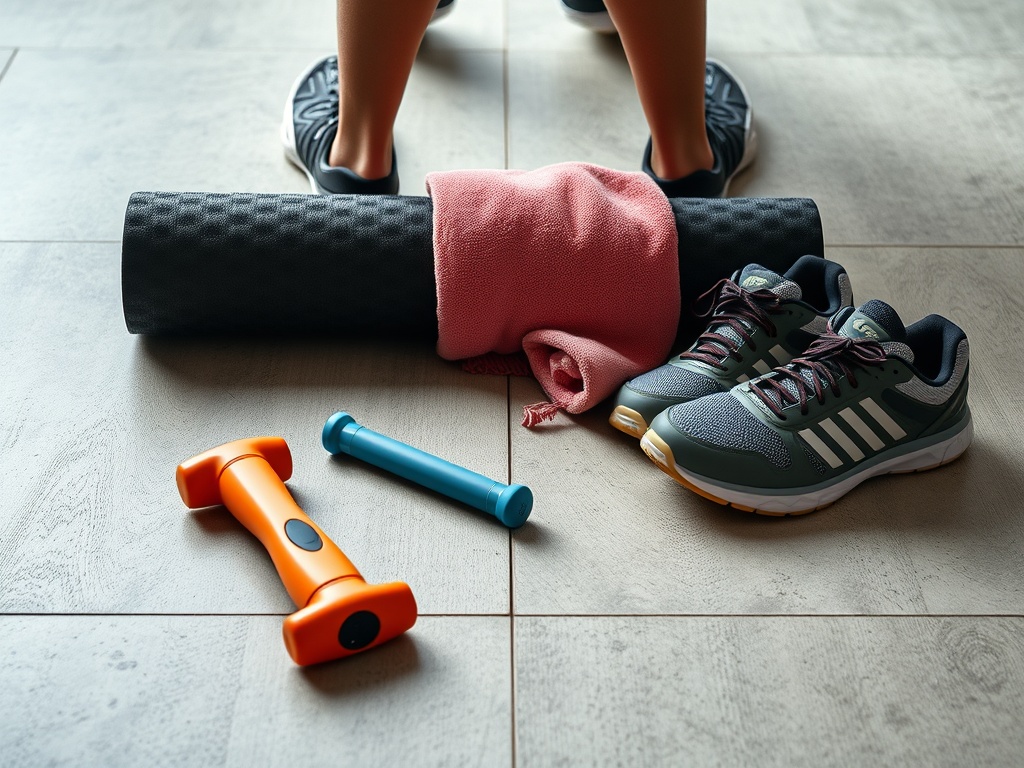
Massage Guns, Compression, and Heat: Comfort Tools With Limits
Massage guns can feel helpful for short-term tightness, especially when used gently and briefly. They should not be used to numb sharp pain or force irritated tissue. Compression boots and garments may feel relaxing after long travel or high-volume training, but comfort is not the same as guaranteed adaptation.
Heat can help some people feel looser before gentle movement, while cold can reduce perceived soreness for others. The response is individual. Athletes should be careful about using intense recovery methods to mask fatigue and then return to heavy training before the body is ready.
Cold Exposure and Saunas: Context Matters
Cold plunges, contrast showers, and sauna sessions are often marketed as recovery breakthroughs. Some people enjoy them, and they may support relaxation or soreness management. The problem is when they are treated as mandatory or universally safe. Temperature stress can be inappropriate for some medical conditions or medications.
People training for strength or muscle gain should also consider timing and total stress. A relaxing ritual is not automatically a better recovery choice than sleep, food, and a lower-volume week. Recovery is the ability to adapt, not just the feeling of doing something intense after training.
Match the Tool to the Training Goal
For joint-sensitive cardio, a wearable may help keep intensity moderate while the person builds tolerance. That connects well with low-impact cardio planning. For fat-loss training, a tool should support consistency without encouraging punishment. The article on strength training for fat loss is a better starting point than a shopping list of devices.
Environment can also beat technology. A charging station outside the bedroom, a prepared gym bag, or a scheduled easy day may improve recovery more than another app. The article on environment design for healthy choices explains how to reduce friction before buying a solution.
A Simple Buying Filter
Before buying, ask four questions. What decision will this tool improve? What behavior will it make easier? What evidence or credible guidance supports its use for this purpose? What is the downside if I over-trust the data? If the answer is vague, delay the purchase.
The next step is to audit the basics for two weeks: sleep timing, training load, protein, hydration, soreness, mood, and performance. If a specific problem remains, choose the simplest tool that addresses that problem. Recovery technology is best when it supports judgment, not when it replaces it.
How to Compare Tech Without Marketing Noise
Marketing often highlights precision, optimization, and elite routines. A practical buyer should ask for plain evidence: what does the tool measure, how accurate is it for this use, what action will I take from the result, and what happens if the reading is wrong? A tool that cannot answer those questions may still be interesting, but it should not guide major health decisions.
Cost should also be compared with simpler fixes. A better pillow, earlier bedtime, lighter training week, prepared meal, or scheduled rest day may solve the real problem. Recovery technology deserves attention only after the basic recovery system is visible enough to evaluate.
How to Run a Two-Week Recovery Audit
Before trusting a gadget, track the basics manually for two weeks: bedtime, wake time, training difficulty, soreness, mood, appetite, and performance. If the pattern clearly points to poor sleep or too much volume, fix that first. Technology is most useful after the obvious recovery bottlenecks have been identified.
Recovery Tech Usefulness Filter
| Tool Type | Most Useful When | Mostly Hype When |
|---|---|---|
| Wearable Tracker | It reveals trends that change behavior | One daily score controls every decision |
| Massage Gun | Used gently for short-term comfort | Used to ignore sharp pain |
| Compression | Helps relaxation or travel comfort | Marketed as a cure-all |
| Sleep App | Improves bedtime consistency | Creates anxiety about scores |
| Cold or Heat Tool | Used with context and safety | Treated as mandatory for recovery |
Buy Only for a Specific Recovery Problem
Audit your recovery basics before buying another tool. If a device supports better sleep, better pacing, or calmer decisions, it may earn a place; if it adds pressure, it is not helping.