Environment design makes healthy choices easier by reducing friction before motivation is required.
Healthy Choice Design Map
- Environment design reduces reliance on motivation by making the desired action more visible, convenient, and prepared.
- The method works best when it targets one repeated friction point, such as skipped workouts, unplanned snacks, or late-night screen habits.
- Small cues, defaults, and barriers can support health goals without turning the home into a strict rule system.
Your Surroundings Are Part of the Habit
Many healthy choices fail before decision-making begins. Shoes are hidden, the water bottle is dirty, meals are unplanned, the phone is beside the bed, or the gym bag is not packed. Environment design fixes those small moments of friction before they grow into skipped behaviors.
This is not about blaming people for imperfect surroundings. Work schedules, family needs, budget, and space constraints are real. The goal is to make one useful action easier than the competing default. A two-minute setup done the night before can matter more than a motivational speech the next morning.
Start With One Repeating Failure Point
Choose one behavior that keeps slipping. If workouts fail after work, the issue may be timing, clothing, food, commute, or energy. If dinners become chaotic, the issue may be grocery planning rather than willpower. If sleep keeps drifting later, the issue may be phone placement or lack of a shutdown cue.
The CDC guidance on adding physical activity as an adult emphasizes that activity can be broken into manageable pieces. Environment design uses that same logic: reduce the first step until it is small enough to start.
Make the Good Choice Visible and the Competing Choice Less Automatic
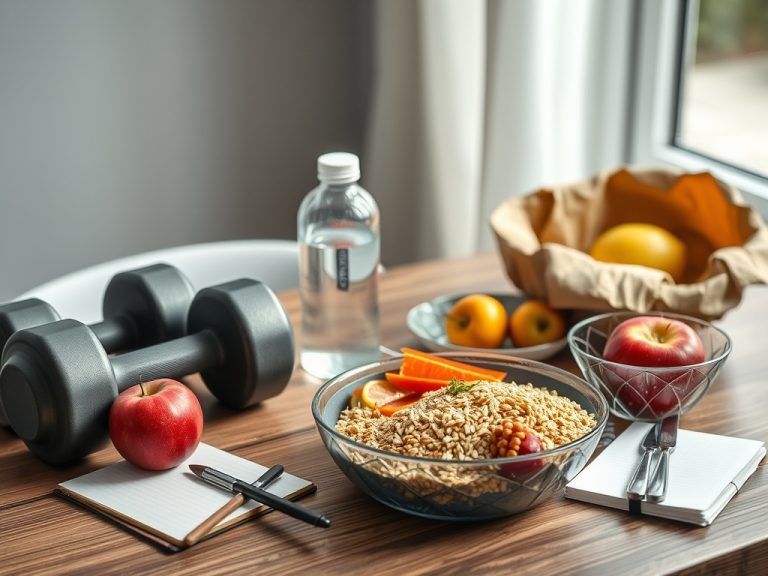
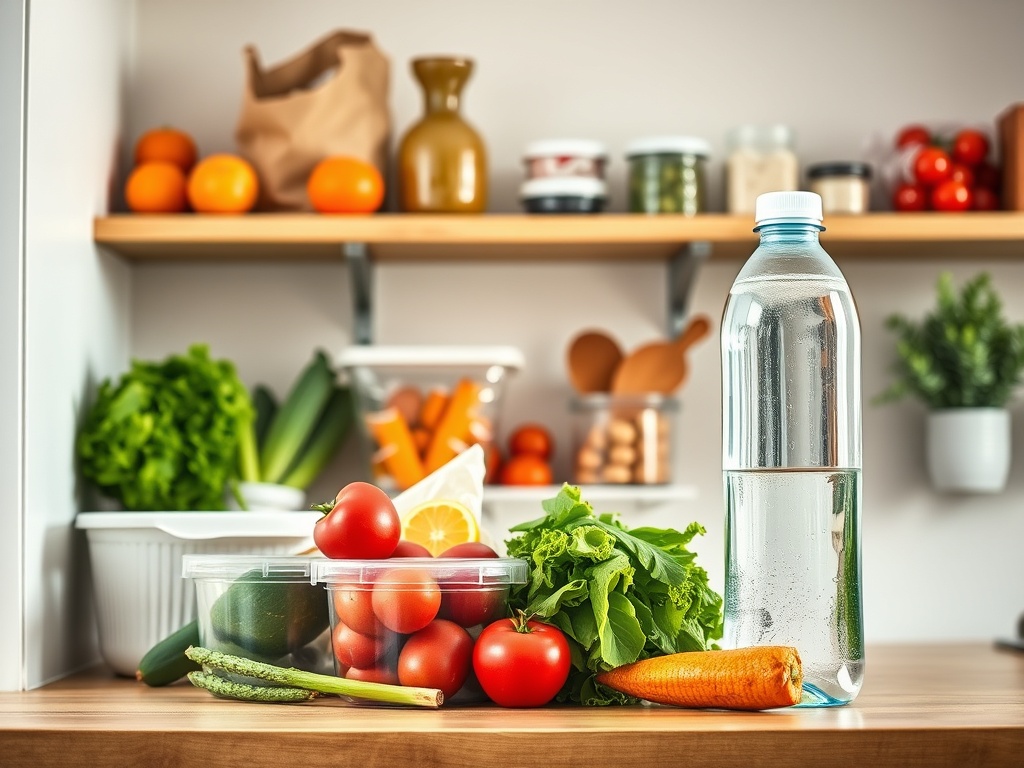
Visibility is a powerful cue. Put walking shoes beside the door, keep a filled water bottle where work begins, place fruit at eye level, or leave resistance bands near the space where a short session can happen. The point is not decoration; it is reducing the number of steps between intention and action.
Competing choices can also be made less automatic. Move the phone charger away from the bed, put snack foods in an opaque container, or require a short pause before ordering takeout. Readers building a broader routine can connect these cues with health and fitness goals that stick so the environment supports a clear weekly plan.
Design for Food Without Creating Food Rules
Food environment changes should make nourishment easier, not create guilt. Examples include washing produce in advance, preparing one protein anchor, keeping a backup frozen meal, or placing cooking tools where they are easy to reach. The strongest design is often boring: repeatable ingredients that reduce decision fatigue.
For people focused on body composition, the kitchen setup should support training rather than severe restriction. Pairing meal defaults with strength training for fat loss can help keep the plan performance-friendly and less reactive.
Design for Recovery and Stress
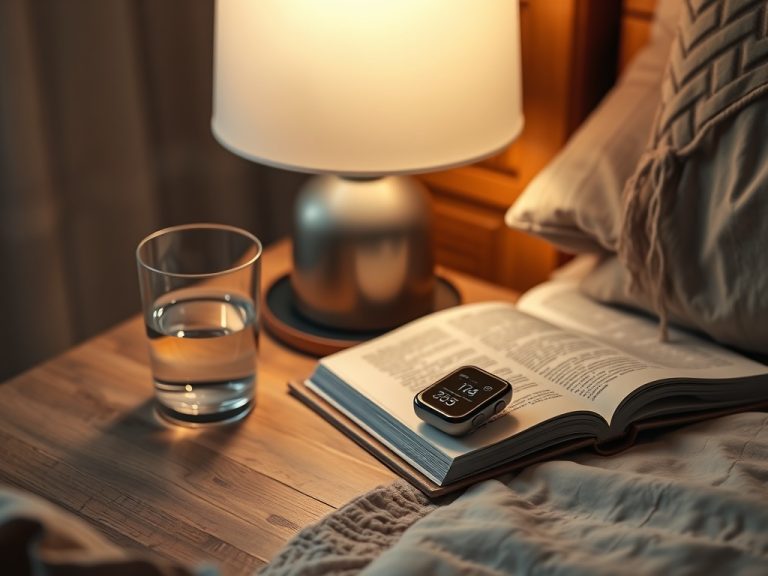
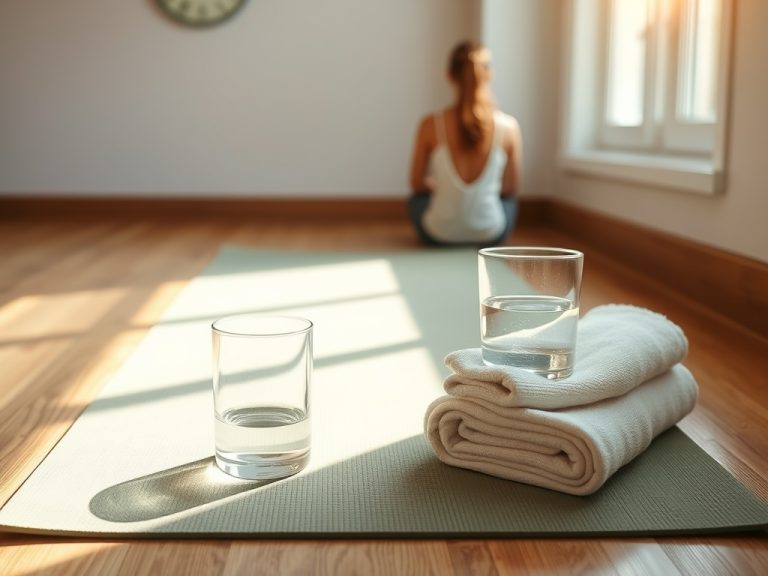
A healthy environment also protects recovery. A dimmer evening routine, a book on the nightstand, a stretching mat in sight, or a short breathing cue after work can change the transition into rest. The goal is not a perfect wellness room. It is a small signal that the day is shifting modes.
The World Health Organization physical activity guidelines discuss activity and sedentary behavior across populations, and their guidance on physical activity and sedentary behavior can be a useful backdrop. Environment design turns broad guidance into local cues: where to walk, where to sit less, and how to start.
Measure Friction, Not Just Discipline
Instead of asking why you lack discipline, ask how many steps the desired action requires. A morning workout may require finding clothes, charging headphones, choosing a routine, and deciding breakfast. Remove two of those decisions and the same person may become more consistent without becoming more motivated.
A simple friction score works well. Rate a behavior from one to five based on how easy it is to start. Then make one change and rate it again after a week. If the score improves, keep the setup. If not, adjust the cue, timing, or location rather than abandoning the goal.
A Room-by-Room Implementation Plan
In the kitchen, choose one visible protein or produce cue. In the bedroom, remove one sleep-disrupting trigger. In the entryway, place one movement cue. In the calendar, block one appointment with yourself. In the workspace, add one posture or walking reminder that does not interrupt deep work.
Breathing practices can become easier when the environment cues them naturally. Placing a mat or chair in a quiet corner can support the ideas in breathwork for recovery and stress regulation. The next step is to redesign one square foot of your environment today, then judge the result by whether the desired action starts with less debate.
Design for Shared Homes and Real Budgets
Environment design does not require a private gym, expensive containers, or a perfect kitchen. In a shared home, one shelf, one hook, one corner, or one calendar block may be enough. The key is to control the part of the setting that is realistically yours.
Budget-friendly changes can be powerful: keeping a walking route written down, storing basic pantry meals, placing a resistance band near a chair, or setting a recurring reminder for grocery planning. The change should be simple enough that it does not create a new maintenance burden.
How to Keep the System Flexible
The environment should support choice, not remove autonomy. If a cue starts feeling restrictive, revise it. A visible walking cue might become a weekend hiking bag, a meal-prep shelf might become a simple breakfast station, and a screen boundary might become a bedtime charging habit. Flexibility keeps the system useful as life changes.
Review the setup monthly. Remove cues that no longer help, keep the ones that reduce friction, and add only one new cue at a time. A lean system is easier to maintain than a home full of good intentions.
Environment Design Examples
| Friction Point | Environmental Change | Desired Result |
|---|---|---|
| Skipped Walks | Shoes and jacket placed near the door | Fewer start-up decisions |
| Unplanned Meals | One protein and one vegetable prepped | Faster default dinner |
| Late Screen Time | Phone charger moved across the room | Less automatic scrolling |
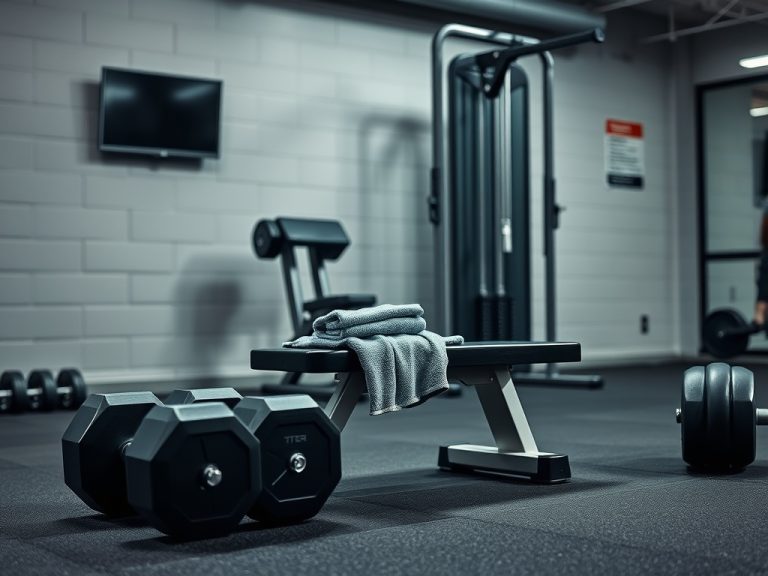
| Missed Strength Work | Bands or dumbbells visible in the workout space | Short sessions feel easier to start |
| Rushed Evenings | Breathing cue placed beside a chair or mat | Clear transition into recovery |
Redesign One Square Foot First
Change one cue in one room today. If the healthier choice becomes easier to start, keep that setup and redesign the next friction point only after the first one is working.