Key Takeaway
Direct-to-consumer (DTC) aligners are lower cost and more convenient, but they lack the clinical oversight that catches problems early. The risk gap between DTC and in-office treatment depends heavily on case complexity, oral health baseline, and what tradeoffs you're willing to accept.
How Each Option Works
Direct-to-Consumer Aligners
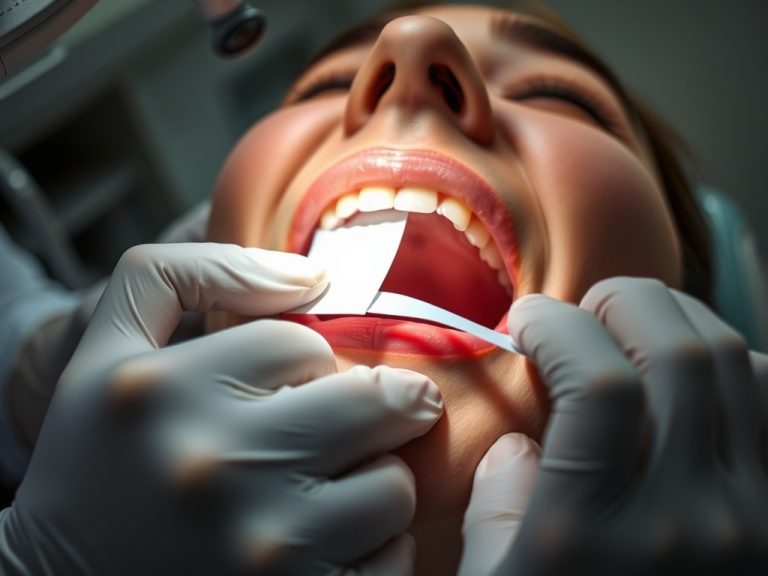
DTC aligner companies (such as SmileDirectClub, Byte, and similar brands) use remote impression kits or partner retail scanning locations to capture tooth position data. A remotely supervising dentist or orthodontist reviews the scan and, if approved, a series of plastic aligners is mailed to the consumer. There are no in-person clinical exams, no X-rays, no gum assessment, and typically no in-person follow-up unless the patient seeks it independently.
In-Office Orthodontic Treatment
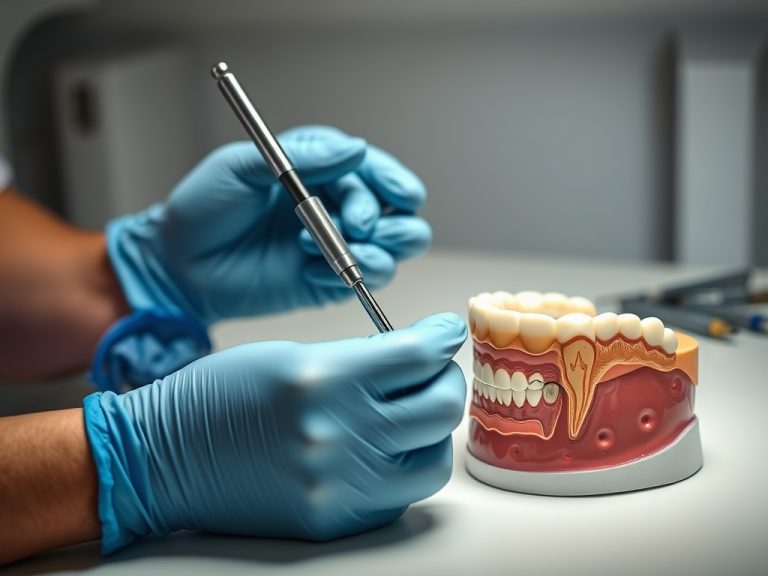
In-office orthodontics — whether traditional braces or clear aligner systems like Invisalign managed by an orthodontist or general dentist — begins with a comprehensive clinical exam, diagnostic X-rays (often including 3D cone beam imaging for complex cases), and a full assessment of gum health and jaw function. The treating provider monitors progress at regular intervals, adjusts the treatment plan when teeth respond differently than expected, and can identify complications before they worsen.
Comparing the Two: A Practical Framework
| Factor | DTC Aligners | In-Office Aligners/Braces |
|---|---|---|
| Initial Assessment | Remote scan; no X-rays | Full clinical exam + diagnostic imaging |
| Gum Health Check | None required | Required before and during treatment |
| Mid-Treatment Monitoring | Remote or none | Regular in-person check-ins |
| Case Complexity | Mild crowding or spacing only | Mild to complex cases |
| Average Cost | Lower (often $1,500–$2,500) | Higher (often $3,000–$8,000+) |
| Orthodontist Access | Limited/remote | Direct, in-person |
| Risk of Undetected Problems | Higher | Lower |
| Result Predictability | Lower (especially for complex cases) | Higher with close monitoring |
Who DTC Aligners May Suit — and Who They Don't
DTC aligners are marketed primarily at adults with mild cosmetic concerns: minor crowding, small gaps, slight relapse after previous orthodontic treatment. For genuinely simple cases in patients with healthy gums and no active dental issues, the convenience and cost advantages are real.
However, the absence of X-rays and clinical examination creates meaningful blind spots. The American Association of Orthodontists has issued consumer guidance on the risks of remote aligner treatment, noting that it cannot identify root resorption, bone loss, or active decay — all of which can be worsened by aligner pressure if undetected.
Patients with the following should not use DTC aligners without in-person evaluation first:
- Active gum disease or bone loss
- Missing teeth or dental implants
- Prior jaw surgery
- Significant bite problems (overbite, underbite, crossbite)
- Grinding or clenching habits
- Any unresolved dental work (caries, cracked teeth)
The Hidden Costs of the Lower-Cost Option
The cost difference between DTC and in-office treatment is real and meaningful for many people. But the total cost calculation changes when DTC treatment produces an incomplete result, causes root resorption that goes undetected until permanent damage is done, or requires full in-office retreatment to correct movement that wasn't clinically managed.
Dental professionals who treat DTC aligner complications regularly report patients who completed DTC treatment with cosmetically acceptable results but subsequently discovered bone loss or root shortening that only X-rays would have caught. In some of these cases, the complications require specialist-level intervention that exceeds the original cost difference.
The relationship between cost-effective decisions and access to appropriate care is a broader topic explored in Deep Cleaning Cost Guide: What Affects the Price?.
Questions to Ask Before Choosing Either Option
Before starting any orthodontic treatment — DTC or in-office — consider asking:
- Has my gum health been assessed by a dental professional within the last year?
- Are there any active dental issues (decay, broken fillings) that need to be resolved first?
- Is my case mild enough for remote-only oversight, or does it involve bite correction that requires in-person management?
- What happens if something goes wrong mid-treatment — who is clinically accountable?
For DTC companies, ask specifically whether a licensed provider with your regional dental board credentials will be reviewing your case, and whether you have a clear way to escalate clinical concerns.
Understanding the role of digital tools in modern orthodontic planning — including how scans and imaging work in current practice — is covered in Digital Dentistry Explained: What Changes for the Patient Experience?.
Making a Decision Before Your Consultation
The honest answer is that many DTC aligner candidates are better served by in-office treatment — not because in-office treatment is inherently superior in every scenario, but because there is no way to know you're a good candidate for remote treatment without a clinical evaluation first. The irony is that the starting point for either path should be the same: a comprehensive dental exam.
If cost is the primary concern, asking an orthodontist or general dentist about phased treatment, in-house payment plans, or whether a simpler aligner protocol could be managed at a lower cost than comprehensive treatment is a more clinically sound approach than bypassing examination entirely.
A Decision Framework You Can Use Now
Start with a comprehensive dental exam — regardless of which treatment path you're leaning toward. A clean bill of gum health, no active issues, and a dental professional's opinion that your case is mild is the most reliable foundation for any aligner treatment. The lower-cost option only stays lower-cost when it works without complications.