Key Takeaway
Toothpaste does more than freshen breath — its active ingredients prevent cavities, reduce sensitivity, and fight gum disease. Knowing what each ingredient does helps you choose a product that matches your actual oral health needs.
Why the Ingredient List on Your Toothpaste Tube Matters
Most people pick toothpaste based on flavor or packaging. But the ingredient panel is where the real decisions are made. The U.S. Food and Drug Administration classifies toothpaste as an over-the-counter drug when it contains active ingredients like fluoride, which means the active ingredient list is regulated and standardized — not just marketing.
Understanding what goes into your toothpaste can help you have a more informed conversation with your dentist, especially if you're managing sensitivity, early gum disease, or cavity risk.
The Core Active Ingredients and Their Functions
Fluoride
Fluoride is the most clinically established active ingredient in toothpaste. It works by remineralizing areas of enamel that have been weakened by acid — a process that, if left unchecked, leads to cavities. The two most common forms are sodium fluoride and stannous fluoride.
Sodium fluoride is found in most standard adult toothpastes. According to the American Dental Association (ADA), the standard effective concentration is 1,000–1,100 ppm (parts per million) for adults. Prescription-strength fluoride toothpaste (5,000 ppm) may be recommended for patients with high cavity risk, dry mouth, or orthodontic appliances — this is something a dentist should guide based on your individual situation.
Stannous fluoride does double duty: it provides fluoride protection and has antimicrobial properties that can help reduce gum inflammation and tooth sensitivity.
Potassium Nitrate and Stannous Fluoride for Sensitivity
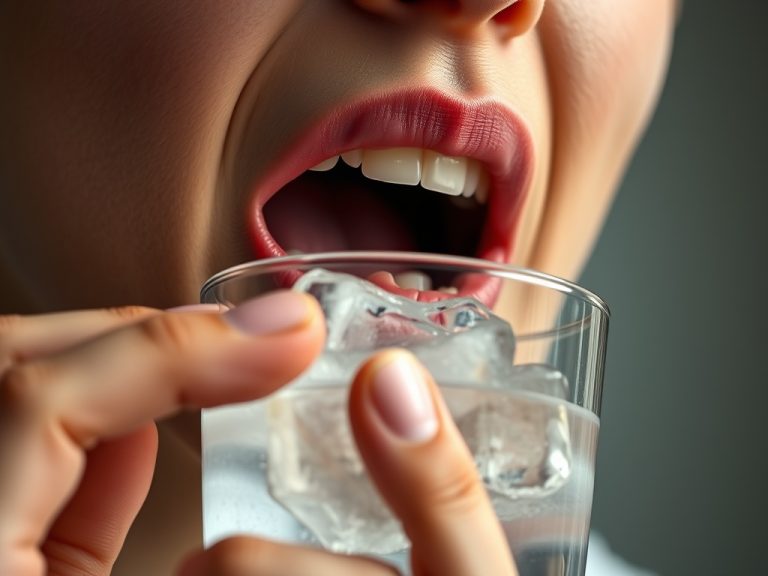
Sensitivity toothpastes typically contain either potassium nitrate or stannous fluoride. Potassium nitrate works by calming the nerves inside the tooth over repeated use. Stannous fluoride forms a protective layer over exposed dentinal tubules — the microscopic channels that, when open, make teeth react painfully to hot, cold, or sweet stimuli.
These ingredients require consistent use over several weeks to show noticeable effect. If sensitivity is severe or sudden, it may indicate a deeper problem that warrants a dental visit rather than a toothpaste change. You can learn more about what causes sudden sensitivity in the article Sudden Sharp Sensitivity: Is It a Crack, Cavity, or Exposed Root?.
Triclosan and Sodium Lauryl Sulfate (SLS)
Triclosan was once a common antibacterial ingredient but has been phased out of most toothpastes following an FDA review of its safety profile. SLS is a foaming agent — it creates the lather most people associate with cleaning but contributes little to the actual antimicrobial or remineralizing action. Some studies suggest SLS may irritate soft tissue in patients prone to canker sores, and SLS-free formulas are widely available.
Abrasives: Hydrated Silica and Calcium Carbonate
Toothpastes contain mild abrasives to help scrub away surface stains and plaque. Common ones include hydrated silica, calcium carbonate, and dicalcium phosphate. The abrasiveness of a toothpaste is measured by its Relative Dentin Abrasivity (RDA) score. Values under 250 are considered safe for daily use by the ADA. Most whitening toothpastes have higher abrasive levels, which is why dentists often caution against using them daily if you have exposed root surfaces or thin enamel. The ADA's MouthHealthy resource provides a helpful overview of whitening product tradeoffs for patients weighing their options.
How Specialty Toothpastes Differ
| Type | Key Ingredient | Best For | Caution |
|---|---|---|---|
| Whitening | Higher-abrasive silica or hydrogen peroxide | Surface stain removal | Not ideal for sensitive teeth or exposed roots |
| Sensitivity | Potassium nitrate or stannous fluoride | Hot/cold discomfort | Requires weeks of consistent use |
| Anti-gingivitis | Stannous fluoride or triclosan-free antimicrobials | Gum inflammation | Should complement flossing, not replace it |
| Children's | Lower fluoride (500 ppm or less under age 6) | Pediatric use | Must be supervised to avoid swallowing |
| Prescription | 5,000 ppm sodium fluoride | High cavity risk, dry mouth | Dentist-guided only |
Ingredients That Don't Have Strong Evidence
Some toothpaste marketing terms — "activated charcoal," "remineralizing," "whitening enzymes" — are not always backed by clinical evidence. Charcoal toothpastes, for example, have raised concerns among dental researchers due to potential enamel abrasion and the fact that many don't contain fluoride. The ADA has not approved any charcoal toothpaste. If you're curious about a newer formulation, it's worth asking your dentist whether it has independent clinical support.
How to Read the Label Practically
When reading a toothpaste label, focus on:
- The active ingredient section (not just the "features" listed on the front)
- Fluoride concentration (1,000–1,100 ppm for most adults is standard)
- The ADA Seal of Acceptance, which indicates evidence-based safety and efficacy
- Any ingredients you've reacted to before (SLS, mint, preservatives)
If you're managing a condition like dry mouth, active periodontal disease, or post-cancer treatment oral health, the right toothpaste is part of a larger protocol — one that fits with what's discussed at your dental appointments rather than chosen off the shelf alone. The relationship between oral health products and systemic conditions is explored further in the article Dental Clearance Before Cancer Treatment: Why Timing Matters.
When to Ask Your Dentist About Switching
If your toothpaste isn't addressing sensitivity, your gums bleed regularly despite good brushing technique, or you're managing a condition that affects saliva production, it may be time to ask your dentist for a specific recommendation rather than relying on general marketing. Most dental offices carry samples or can point you toward formulas supported by current clinical guidance.

Your Practical Starting Point
For most adults, an ADA-accepted fluoride toothpaste at 1,000–1,100 ppm is a solid foundation. From there, target specific needs — sensitivity, gum health, whitening — with ingredients that have clinical backing. If your oral health situation is more complex, your dentist is the right person to tailor that recommendation.