Small local museums are often the best places to see regional memory, volunteer expertise, and collection details that never appear in major travel guides. A good visit starts with planning lightly, asking better questions, and treating the museum as a local knowledge center rather than a quick stop.
Local museum takeaway: check hours, access, exhibit focus, and photography rules before you go, then leave time for conversation. The most valuable part of a small museum is often the context around the objects, not just the objects themselves.
Why Overlooked Museums Reward Slower Visits
Large museums usually advertise famous objects. Small museums often preserve the story of a town, trade, neighborhood, performer, craft, immigrant community, industrial site, or local collector. That narrower focus is a strength. You may find handwritten labels, oral histories, objects donated by families, or rooms arranged by volunteers who know the community personally.
The American Alliance of Museums notes that museums range from aquariums and art museums to botanical gardens, battlefields, children's museums, and cultural heritage centers. That variety matters because a "museum" may look like a converted house, a storefront gallery, a university collection, a historic station, or a seasonal archive. Starting with that broad definition helps you notice places that do not look like major institutions.
If your interest leans toward documents, recordings, or community memory, pair the visit with Best archives, databases, and oral histories for cultural research so the trip becomes part of a larger research habit.
A Pre-Visit Checklist That Prevents Frustration
- Confirm open days and seasonal hours on the museum's own site or social page.
- Check whether admission is timed, donation-based, or cash-only.
- Look for access notes, parking details, public transit options, and restroom availability.
- Review photography, food, bag, and stroller rules.
- Save the address offline in case mobile service is weak.
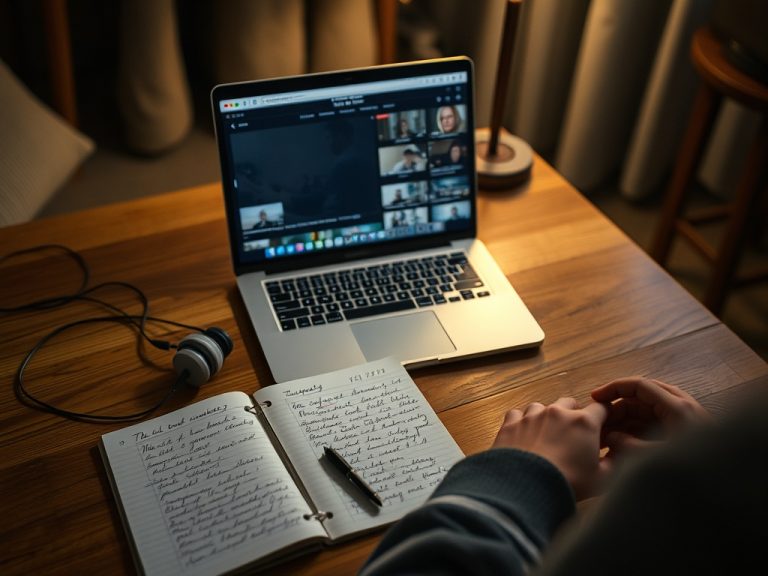
- Bring a small notebook for object names, dates, and questions.
Do not assume a small museum has the staffing of a major institution. Some are open only when volunteers are available. Others require appointments for archives, reading rooms, or guided tours. A quick call or email can prevent a wasted trip.
How to Read the Room Once You Arrive
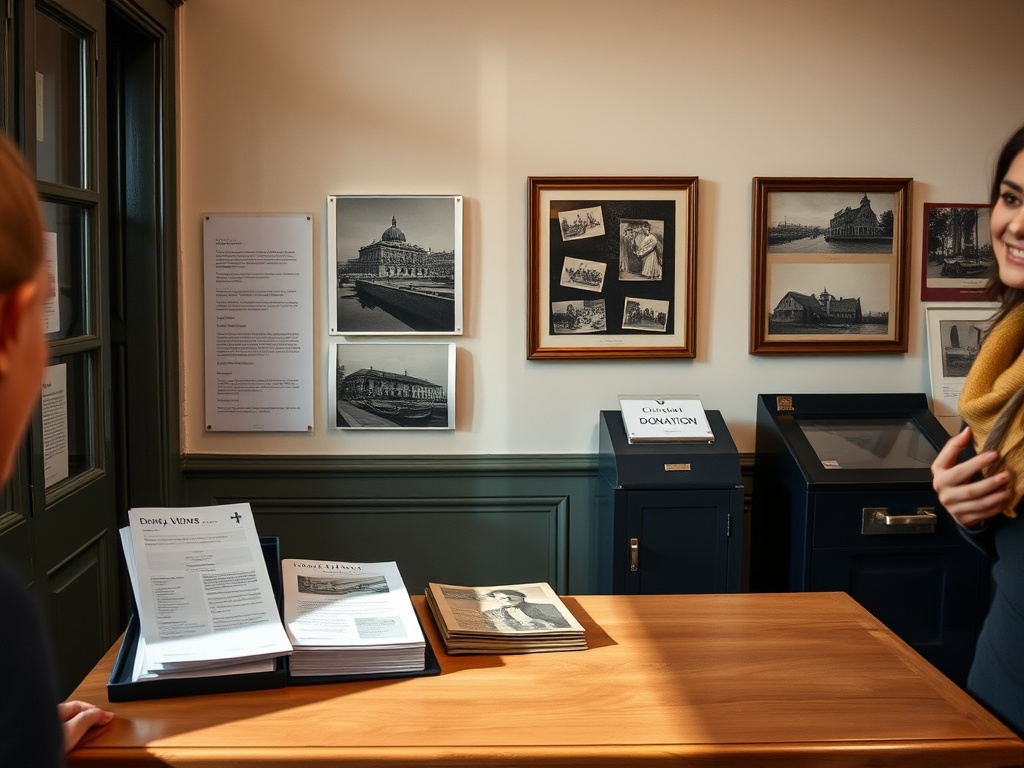
Start with the entry desk. Ask what visitors often miss, which exhibit is most connected to the local community, and whether there are fragile areas or rooms best seen in a particular order. These questions are respectful and practical. They also give staff or volunteers permission to share context that may not fit on a label.
Move slowly through labels and object groupings. Small museums sometimes present items chronologically, but they may also organize by donor, theme, building history, or available space. If a case feels crowded, look for patterns: materials, dates, maker names, places, and signs of use. Avoid treating every object as equally representative. A donated costume, poster, tool, or photograph may reveal one person's story rather than an entire community's experience.
Accessibility, Comfort, and Visit Length
Accessibility information can vary widely. The Smithsonian's visitor accessibility resources are a useful model because they separate mobility, vision, hearing, sensory, and service-animal information. Smaller museums may not have such detailed pages, but you can still ask direct questions: Is there step-free entry? Are galleries seated? Are captions available? Is there a quiet room? Are objects on multiple floors?
Plan a visit length that matches the scale. Forty-five minutes may be perfect for a one-room history museum. Two hours may suit a local art center with rotating exhibitions and a small archive. Leave extra time if you want to talk with staff, browse a binder of photographs, or follow up on family history.
How to Support Without Overspending
Admission, donations, gift shops, memberships, and event tickets all help, but support can also be nonfinancial. Share accurate hours with friends, leave a thoughtful review, credit the museum when posting a photo that is allowed, and ask before tagging staff or volunteers. If you discover a correction to a label or family connection to an object, offer it politely and with evidence.
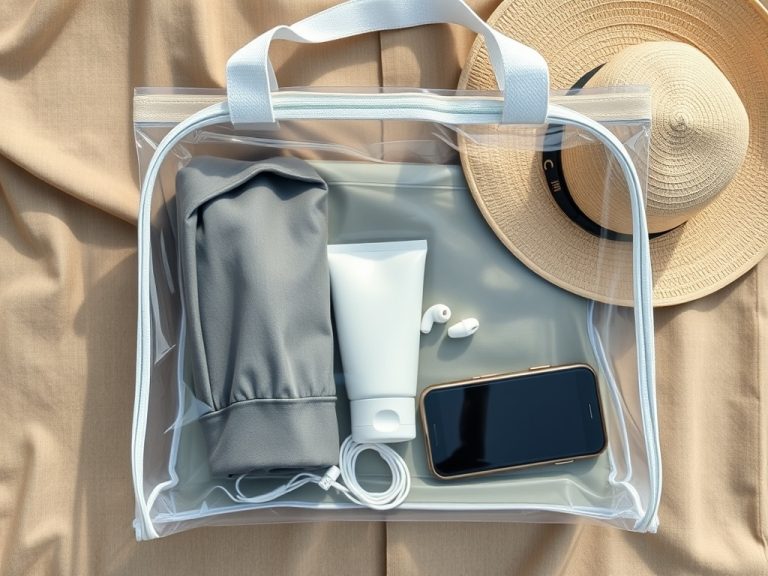
For a day trip, connect the museum visit with a library, historic district, community theater, or outdoor performance. If the second stop is an open-air event, the packing habits in How to pack for an outdoor event when venue rules are strict will keep the day smoother.
Common Mistakes That Make Small Museums Feel Smaller
Visitors often rush because the building looks modest. They skip the temporary exhibit. They photograph labels instead of reading them. They assume the staff cannot answer specialized questions. They forget to check whether the museum has a research room or online collection. These habits reduce the visit to a quick browse.
A better approach is to choose one question before entering: What shaped this place? Who preserved this collection? What stories are absent? Which objects connect local history to wider cultural history? Those questions turn a small museum into a starting point.
Leave With One Follow-Up Thread
After the visit, write down one person, object, date, or theme to research later. That single thread is more useful than a camera roll full of unlabeled images. A local museum visit succeeds when it changes how you see the surrounding streets, not when you check off every display case.
Turn a Visit Into Useful Notes
After leaving a small museum, spend ten minutes recording what you learned while details are fresh. Note the museum name, date, exhibit title, staff recommendations, object names, and any restrictions on photography or reuse. If you took photos, rename or group them quickly so labels and objects do not get separated.
This habit matters because small museums often connect to local sources that are easy to forget: a historical society newsletter, a family collection, a volunteer's recommendation, or a local archive. A simple note can turn a pleasant visit into the beginning of a stronger cultural research trail.
If you plan to write about the museum, avoid overstating what you saw. A small exhibition may represent one collection, donor, or curatorial angle. Use cautious language, identify the source of factual claims, and contact the museum for confirmation when a detail matters. This is especially important when discussing Indigenous history, immigration, labor, religion, disability, or community conflict.
A thoughtful visitor supports small museums by being accurate. Accuracy builds trust, and trust is often what keeps local cultural institutions connected to their communities.
A Small Budget Plan for Curious Visitors
Set a modest annual budget for local cultural visits. Include admission, donations, parking, transit, and one small purchase when it genuinely supports the institution. This keeps museum-going from becoming an occasional vacation activity only. It also helps you notice rotating exhibits, lecture nights, walking tours, and archive open houses that are easy to miss if you only search for major attractions.
One Last Courtesy Before You Leave
If a staff member helped you, ask the best way to credit or contact the museum later. Small institutions often prefer a general email, not a personal account. This keeps follow-up professional and makes future research easier.