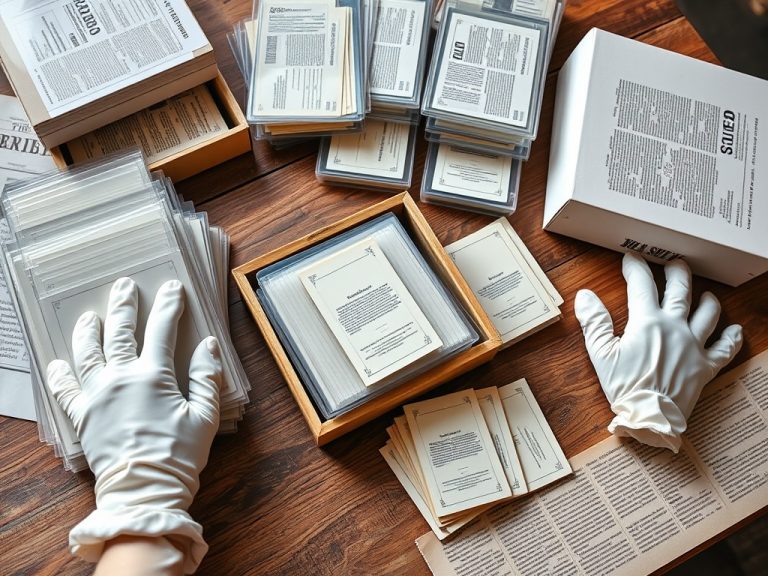
The best cultural research sources are not just searchable. They explain where material comes from, how it was described, what rights or access limits apply, and what context a researcher should preserve.
Research-source takeaway: use archives for primary material, databases for structured discovery, and oral histories for lived memory. Always record citation details, collection context, and uncertainty as you work.
Match the Source to the Question
Cultural research can mean many things: a film programmer tracing a movement, a writer checking neighborhood history, a curator studying posters, a podcaster gathering oral accounts, or a student building a bibliography. The right source depends on the evidence needed.
Archives hold records, photographs, moving images, correspondence, ephemera, and institutional files. Databases help you discover items across collections. Oral histories preserve spoken memory, often with transcripts and interviewer context. None of these is automatically complete or neutral. Description reflects collection history, preservation choices, and the language available when records were created.
If you are starting with films, Best Documentary Streaming Hubs for Serious Movie Discovery can help you locate watchable material. Cultural research goes a step further by asking what evidence sits behind the viewing experience.
A Researcher's Comparison Table
| Resource type | Best use | Main caution |
|---|---|---|
| National libraries | Books, newspapers, maps, recordings, photographs | Large catalogs require careful search terms |
| Museum databases | Object records, makers, exhibition history | Records may be partial or image rights may vary |
| Public archives | Government, institutional, and community records | Arrangement may follow creator, not topic |
| Oral histories | Personal memory and lived experience | Memories need context and corroboration |
| Aggregators | Cross-institution discovery | Metadata quality varies by contributing source |

High-Value Starting Points
The Library of Congress is a broad starting point because it brings together books, recordings, photographs, newspapers, maps, manuscripts, and moving-image resources. For public-history research, the Digital Public Library of America is useful because it brings together materials from libraries, archives, and museums and makes them searchable across partners. For institutional and scientific history, the Smithsonian Institution Archives offers archival records and oral history material tied to the Smithsonian's work.
The National Archives in the United Kingdom describes its Discovery catalog as a way to search records from the official archive of the UK government and beyond. That is a reminder to think geographically. A cultural topic may require municipal archives, university collections, tribal archives, national libraries, broadcasters, unions, religious institutions, or local historical societies.
How to Search Without Missing Important Material
Start broad, then vary language. Search names, dates, neighborhoods, alternate spellings, organization names, event titles, and older terms. For arts topics, search by creator, venue, publisher, format, and collection. A poster may be cataloged by event. A photograph may be cataloged by location. An interview may be cataloged by narrator rather than subject.
Keep a search log. Record the database, search terms, filters, date searched, and promising collection names. This prevents you from repeating the same search and helps you explain your method later.
Researchers who enjoy small institutions should also read How to Visit Small Local Museums That Often Get Overlooked. Local staff can often point to vertical files, donors, community archives, and unpublished leads that large databases do not surface clearly.
Oral Histories Need Special Care
The Smithsonian's guidance on doing oral history describes it as a way of generating and preserving historically interesting information from personal recollections through planned recorded interviews. That definition is helpful because it frames oral history as primary material, not gossip or simple quotation mining.
When using oral histories, note the interviewer, narrator, date, project, transcript status, restrictions, and purpose. A memory can be vivid and still partial. Compare it with newspapers, photographs, letters, programs, legal records, and other interviews. Do not treat one narrator as the voice of a whole community.
Rights, Access, and Ethical Use
Finding an item online does not mean it is free to reproduce. Some catalogs provide public-domain material. Others provide thumbnails, metadata, or access copies with restrictions. Check rights statements, credit lines, reproduction policies, and whether sensitive cultural material has special access conditions.
For publishing, cite the collection clearly. Include creator, title, date, collection, institution, identifier, and access date when possible. If a record is uncertain, say so. Cultural research becomes more trustworthy when it makes uncertainty visible.
Build a Personal Research Stack
Use one broad aggregator, one national or regional institution, one subject-specific database, and one local source. Save records in a citation manager or spreadsheet, but also keep narrative notes about why each item matters. A list of links is not the same as research.
The goal is not to collect every source. It is to build a chain of evidence that another reader can follow.
Citation Hygiene for Cultural Work
Good cultural research is not only about finding strong sources. It is about keeping those sources usable. Save stable links when available, but also capture collection names, item identifiers, creators, dates, and rights notes. Links can break. Identifiers and collection paths help you find the source again.
Use separate notes for fact, interpretation, and your own question. For example, a catalog record may confirm a poster's date. A curator essay may interpret its style. Your note may ask how it relates to a local music scene. Mixing those three layers can lead to accidental overclaiming.
Bias checks are part of the work. Ask whose records were preserved, whose language shaped the description, and whose voice is missing. Archives reflect power, resources, collecting priorities, and accidents of survival. That does not make them unusable. It means researchers should be transparent.
When publishing, avoid presenting one archive as the full story. Strong cultural writing shows the evidence trail and leaves room for future correction.
A Note on Paywalled and On-Site Sources
Not every valuable source is fully open online. Some databases require a library card, university login, reading-room appointment, or staff-mediated request. That does not make them less useful. Record access conditions in your notes so future readers know why a source may not open immediately. For serious work, the strongest evidence may be a mix of open web records, subscription databases, and on-site archival material.
Respect Community Ownership
Some cultural materials are publicly described but still sensitive to the communities connected to them. Treat access as permission to learn, not permission to extract. When possible, read institutional notes about culturally sensitive records and follow any requested limits on reuse.
Keep Research Files Reusable
Organize downloads, screenshots, and notes by project rather than by random save date. Use filenames that include source, date, and short description. Keep a rights note beside images and recordings so you do not have to rediscover usage limits later. This is tedious in the moment but saves hours when drafting, fact-checking, or responding to an editor.
For collaborative projects, store a short readme with search terms, databases checked, and unresolved questions. Future collaborators can then see what has already been tried. Good file hygiene is part of research ethics because it reduces accidental misquotation and makes correction easier.