The best storage supplies for collectibles are the ones that reduce handling, block obvious damage, and match the material you are protecting. Sleeves, top loaders, cases, and archival boxes all help, but only when used for the right object in the right environment.
Archival-storage takeaway: buy supplies by material, not by hype. Paper, photographs, trading cards, posters, comics, and signed items need clean handling, stable temperature and humidity, and enclosures that do not create new chemical or pressure problems.
Start With the Object, Not the Product
Collectors often shop by product name: sleeve, top loader, slab, one-touch case, poster tube, comic bag, archival box. Archivists start with the object: paper type, ink, coating, signature, photograph process, thickness, brittleness, and display plan. That order is safer.
A glossy trading card needs different support from a brittle newspaper clipping. A signed photo needs a different plan from an unsigned modern print. A rolled poster may need gradual flattening by a professional rather than force. A comic book needs protection from bending and poor-quality backing materials.
The Library of Congress notes that selecting storage enclosures for photographs depends partly on identifying photographic processes, and warns that some film negatives should not be stored in plastic because plastic can trap harmful offgassing. That example shows why "plastic equals protection" is too simple.
Compare Common Storage Supplies
| Supply | Best for | Avoid when |
|---|---|---|
| Soft sleeves | Cards, clean prints, some photos | Object is flaking, sticky, or chemically unstable |
| Top loaders | Trading cards needing rigid support | Item is too thick or forced into the holder |
| Semi-rigid holders | Submissions, temporary support, flexible storage | Long-term pressure or poor fit is a concern |
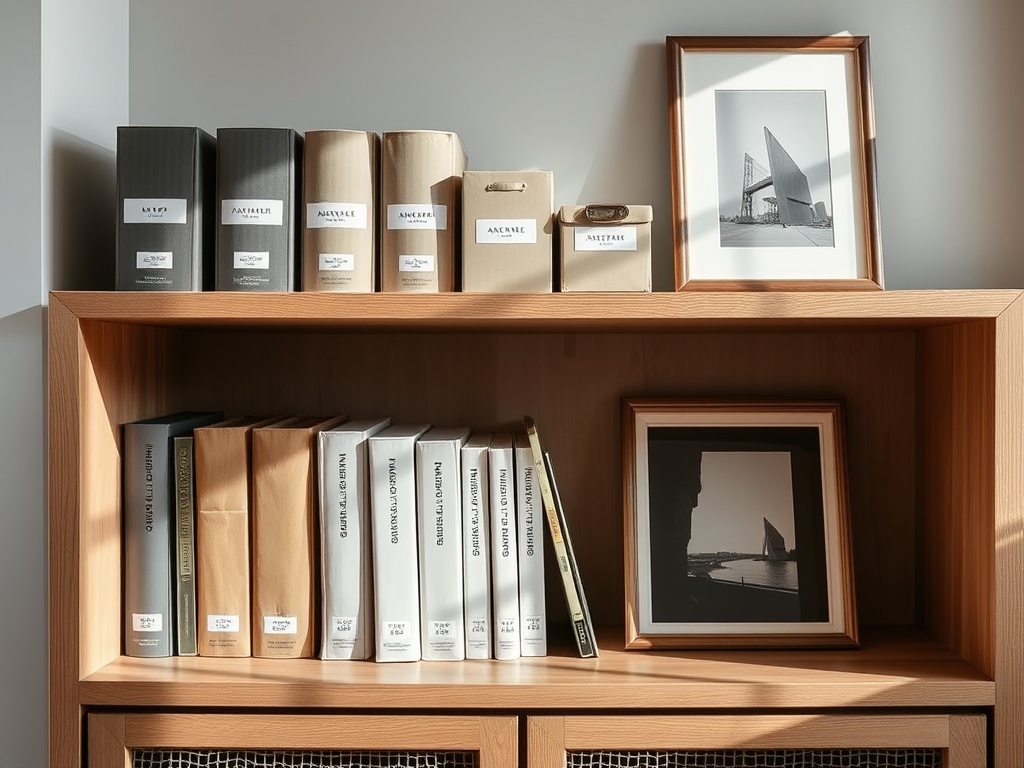
| Archival boxes | Photos, paper, sleeved cards, documents | Box is overfilled or stored in poor climate |
| Portfolio cases | Posters, prints, oversized paper | Pages are acidic or sleeves are low quality |
| Display frames | Items meant for viewing | Light exposure or bad matting could damage value |
What "Archival" Should Mean in Practice
The word archival is used loosely in retail. Look for more specific claims: acid-free, lignin-free, buffered or unbuffered as appropriate, photo-safe, passed the Photographic Activity Test where relevant, and made from stable plastics such as polyester, polypropylene, or polyethylene. For paper items, avoid PVC, sticky albums, rubber bands, pressure-sensitive tape, and ordinary cardboard in direct contact.
The U.S. National Archives advises storing family papers and photographs at low temperature and low relative humidity, noting that cooler conditions slow chemical decay and reduce insect activity. Supplies matter, but climate and handling matter too. A premium sleeve stored in a hot attic is not a preservation plan.
Sleeves, Top Loaders, and Cases
Use soft sleeves as the first contact layer for many cards and modern prints, but make sure the item slides in without catching corners. Use top loaders when you need rigidity for handling or transport. Do not cram thick cards into standard holders. Pressure can damage corners, edges, embossing, or signatures.
For valuable autographs, avoid direct pressure on ink. Keep signed surfaces away from rough seams or tight plastic. If the item has unusual ink, media, or surface coating, ask a conservator or specialist before sealing it into a long-term enclosure.
Collectors researching film, media, or cultural objects may also benefit from Best archives, databases, and oral histories for cultural research, especially when provenance and documentation matter.
Posters, Prints, and Oversized Paper
Flat storage is usually better than rolling when space allows. Use archival folders, map cases, or portfolio boxes sized so edges do not curl. If an item is already rolled, do not force it flat under books. Brittle paper can crack. For display, use proper matting and UV-filtering glazing where appropriate, and avoid hanging valuable paper in direct sunlight.
The National Park Service Museum Handbook and related museum guidance emphasize preventive care, documentation, and appropriate storage across material types. Home collectors do not need museum infrastructure, but they can borrow the principle: prevent damage before it requires treatment.
Environment, Handling, and Inventory
Wash and dry hands before handling most modern paper collectibles, or use gloves only when they improve grip and do not increase the chance of dropping the item. Keep food, drinks, candles, pets, and humidifiers away from storage areas. Store boxes off the floor, away from exterior walls when possible, and out of attics, garages, and damp basements.
Create a simple inventory with item name, date, source, condition notes, storage location, and photos. If you use Best Streaming Search Engines for Finding What's Actually Available for media collecting or viewing research, keep a separate list for watch availability so your physical inventory stays clean.
Buying Without Overspending
Spend first on correct fit, stable materials, and boxes that prevent crushing. Fancy cases are less useful if they trap moisture, squeeze the object, or encourage display in harmful light. For inexpensive items, basic safe storage may be enough. For high-value, fragile, or historically important pieces, pay for professional advice before attempting repairs or flattening.
A Preservation-Minded Next Move
Choose one collection category and improve it this week. Replace risky sleeves, remove rubber bands, move boxes out of heat, or write missing inventory notes. Good storage is a series of small, careful decisions that keep future options open.
Condition Notes and When to Get Help
Before buying supplies, write condition notes. Record bends, fading, tears, stains, adhesive, odor, brittleness, surface gloss, signature location, and existing sleeves or frames. Photograph the item before moving it into new storage. This creates a baseline in case condition changes later.
Know when to stop. Mold, active pests, water damage, flaking emulsion, stuck photographs, brittle oversize paper, and valuable autographs are signs to seek professional guidance. Home fixes such as tape removal, flattening, cleaning, or lamination can cause permanent damage.
For collections with financial value, separate preservation from appraisal. A conservator can advise on care, while an appraiser addresses market value. For sentimental objects, value may be personal rather than monetary, but the care principles still apply: reduce handling, avoid heat and moisture, and do not force materials into enclosures that do not fit.
The right supply is the one that protects the object without making future conservation harder.
Storage Choices for Display Versus Preservation
Display and preservation often conflict. A signed poster may look best framed on a wall, but light exposure can fade ink. A trading card may look impressive in a rigid display, but the fit may be too tight for long-term storage. Decide which goal comes first. If display matters, rotate items and keep the most valuable originals in safer storage. Use copies for high-light or high-traffic areas when possible.
Label the Box, Not the Object
Use removable labels on boxes, folders, or outer sleeves rather than writing on the collectible itself. Keep labels brief and non-invasive: category, date range, and inventory number. A clean labeling system reduces handling because you can find items without opening every enclosure.