Key Takeaway
Sudden sharp tooth sensitivity is almost always pointing to something — a crack, a cavity, or exposed root surface. The location, timing, and trigger of the pain help narrow down the cause, but only a dental exam with X-rays can confirm it.
Why Sensitivity Happens: The Mechanism
Teeth have an outer enamel layer that is hard and relatively insensitive. Beneath that is dentin — a softer tissue full of microscopic fluid-filled channels called dentinal tubules that connect to the nerve inside the tooth. The National Institute of Dental and Craniofacial Research provides a plain-language explanation of how tooth structure works and why decay progressing into dentin changes the pain picture significantly. Fluid movement inside them in response to temperature, pressure, or chemical stimuli sends signals to the nerve, which the brain interprets as pain.
This is why sensitivity so often feels sharp and brief rather than a constant dull ache — it's a fluid-movement response, not sustained tissue injury (though that can coexist).
Reading the Symptom Pattern
Different causes of sensitivity tend to produce recognizable symptom patterns — though overlap is common and patterns alone are never diagnostic.
| Symptom Pattern | Likely Cause | Urgency |
|---|---|---|
| Sharp pain triggered by cold, resolves in seconds | Exposed dentin (root exposure, mild decay, worn enamel) | Routine dental visit |
| Sharp pain triggered by biting that lingers | Cracked tooth syndrome | Prompt dental visit (within days) |
| Pain with sweet foods or drinks | Cavity (caries) | Routine dental visit, sooner if worsening |
| Prolonged aching after cold (30+ seconds) | Pulpitis — nerve may be inflamed | Prompt dental visit |
| Spontaneous throbbing pain, no trigger needed | Irreversible pulpitis or abscess | Urgent dental care |
| Sensitivity at the gumline when brushing | Root exposure or erosion | Routine dental visit |
Cracked Tooth Syndrome
Cracks are notoriously hard to diagnose and frustrating for patients because they often don't appear on standard X-rays. The hallmark symptom is sharp pain on biting or releasing (the release often hurts more than the initial bite), frequently localized to one specific tooth or even one cusp.
Risk factors for cracked teeth include grinding and clenching (bruxism), large old fillings that no longer provide adequate support to the remaining tooth structure, chewing ice or hard foods, and prior trauma. Cracks can range from minor hairline fractures that are managed with a crown to vertical root fractures that may require extraction.
If you suspect a cracked tooth, avoid chewing on that side and schedule a dental appointment within a few days rather than waiting for a routine slot. If the pain becomes spontaneous and severe, this escalates to urgent care.
Cavity-Related Sensitivity
Cavities cause sensitivity when decay reaches dentin. Early cavities in enamel are often completely asymptomatic — which is why X-rays at routine checkups catch most cavities before they become painful. By the time sensitivity from a cavity appears, the decay has typically progressed at least into dentin.
Sweet-triggered sensitivity (rather than cold) is a reasonably specific pattern for active decay, though not universal. Cold sensitivity from a cavity tends to be brief. A dentist can usually confirm a cavity's location and extent with a combination of visual exam, probing, and X-rays.
Exposed Root Surface
Root exposure occurs when the gum tissue recedes and leaves the root surface of the tooth uncovered. Unlike enamel, root surface (cementum and underlying dentin) has no protective hard outer layer, making it highly sensitive.
Causes of gum recession include aggressive toothbrushing, gum disease (periodontitis), thin gum tissue, teeth grinding, and orthodontic movement. Sensitivity from exposed roots is typically triggered by cold air, cold liquids, and brushing — and is often described as sharp at the gumline rather than deep inside the tooth.
Sensitive toothpastes with potassium nitrate or stannous fluoride can provide relief over time, and in-office desensitizing treatments can accelerate this. However, if the root is exposed due to active gum disease or significant recession, treating the underlying cause matters more than masking the sensitivity. The role of toothpaste ingredients in managing sensitivity is covered in What Your Toothpaste Ingredients Actually Do.
When to Seek Same-Day or Urgent Care
Most sensitivity — even sensitivity that is new, sharp, or bothersome — can be evaluated at a standard dental appointment scheduled within a few days to a couple of weeks. The following symptoms change that calculus and warrant same-day dental care or emergency dental services:
- Swelling of the gum, face, or jaw around the affected tooth
- Spontaneous, throbbing, or constant pain that does not require any trigger
- Fever accompanying tooth pain (possible sign of spreading infection)
- Pain severe enough to disrupt sleep or daily function
- Tooth that feels loose or displaced
If you cannot reach a dental office and symptoms include facial swelling, fever, or difficulty swallowing or breathing, an emergency room visit is appropriate — dental infections can spread to the head and neck and become life-threatening if untreated. The ADA's MouthHealthy guide to dental emergencies outlines which symptoms require same-day care versus those that can be managed until a next-day appointment.
What to Expect at the Dental Appointment
To diagnose the source of sensitivity, a dentist will typically:
- Take a detailed history of when, where, and what triggers the pain
- Perform a visual and tactile exam of the teeth and gums
- Test temperature response and bite response on individual teeth
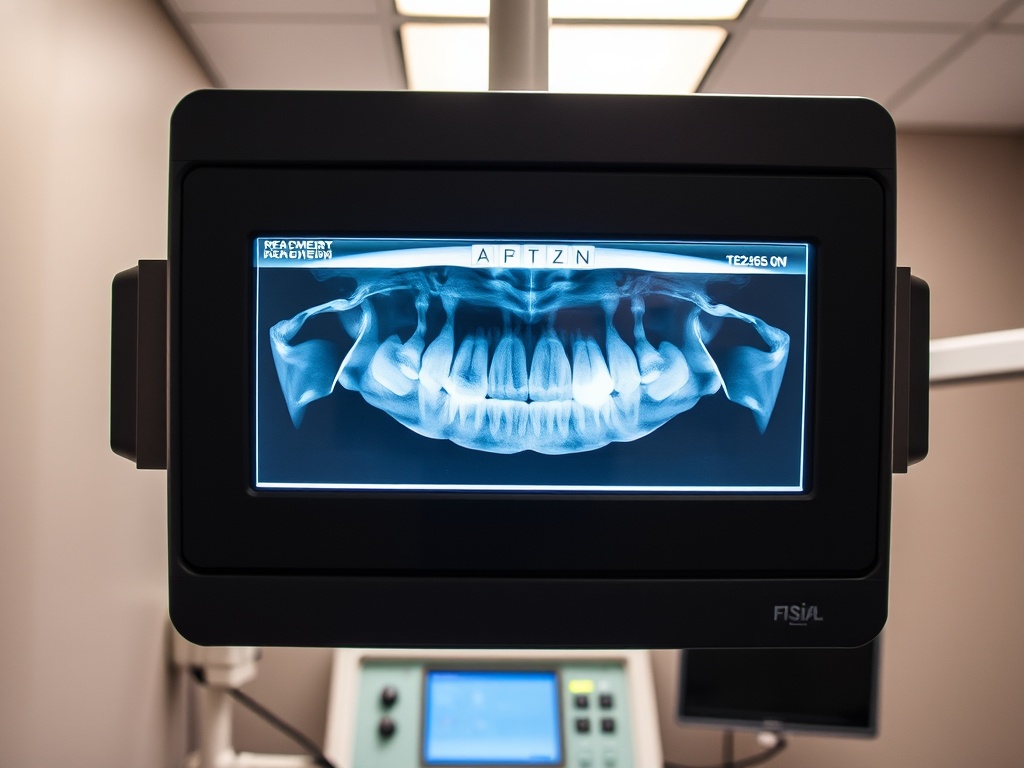
- Take X-rays — often including bitewings and periapical views of the symptomatic area
- In some cases, use transillumination (a bright light through the tooth) to look for cracks
Based on findings, treatment could range from a simple filling or bonding to a crown, root canal, or gum tissue procedure. Sometimes no treatment is needed beyond a monitoring plan and improved home care.
Don't Wait Until It Gets Worse
Sudden sensitivity that is new, sharp, or worsening is your mouth's way of flagging something worth checking. Most causes are treatable earlier and more simply when caught promptly. If sensitivity has been bothering you for more than a week or two, schedule an appointment — the diagnostic process is straightforward and can quickly clarify whether you need immediate treatment or just a change in toothpaste.