The most useful plant-based protein sources combine enough protein with convenience, digestibility, affordability, and meal flexibility.
Plant Protein Ranking Guide
- The best plant protein is not only the highest-protein food; it is the option you can eat consistently with enough total calories and nutrients.
- Soy foods, lentils, beans, peas, seitan, nuts, seeds, and whole grains each solve a different nutrition or convenience problem.
- A balanced plant-based plan should consider fiber, micronutrients, meal timing, digestion, budget, and preparation time.
Ranking Protein Means Looking Beyond Grams
Plant-based protein choices vary in amino acid profile, fiber, calories, cost, cooking time, and ease of use. A food that looks strong on a chart may still be hard to eat often. A convenient food may be lower in protein but useful when it keeps meals consistent.
The goal is not to crown one perfect source. The goal is to build a repeatable mix that supports training, satiety, and overall diet quality. Nutrition.gov offers a plain-English overview of protein foods and why protein matters, which is a good starting point before comparing individual foods.
Tier One: Soy Foods for Dense, Practical Protein
Tofu, tempeh, edamame, and soy milk often rank high because they combine protein density with meal flexibility. Tofu can be scrambled, baked, blended, or added to bowls. Tempeh has a firmer texture and works well in sandwiches, stir-fries, and salads. Edamame is simple to keep frozen for quick meals.
Soy also helps solve the convenience issue that affects many plant-based eaters: getting enough protein without eating very large portions. People lifting consistently can pair this food planning with squat variation training or other strength sessions so meals and workouts support each other.
Tier Two: Lentils, Beans, and Peas for Fiber and Budget
Lentils, black beans, chickpeas, split peas, and kidney beans bring protein, carbohydrates, fiber, and minerals in the same package. They are usually inexpensive and easy to batch cook. Their main limitation is digestive tolerance, especially when portions increase too quickly.
The Academy of Nutrition and Dietetics plant-based resources note that thoughtfully planned vegetarian and vegan patterns can meet nutritional needs. Readers can review their vegetarian and plant-based nutrition guidance when building a broader eating pattern rather than focusing on a single protein source.
Tier Three: Seitan and Protein Powders for Specific Gaps
Seitan is protein-dense and convenient for people who tolerate gluten. It can make a meal easier when beans or lentils feel too bulky. Its limitation is that it is not suitable for people with celiac disease or gluten sensitivity, and it should not be the only protein source in a varied diet.
Plant protein powders can be useful when appetite, schedule, or training volume makes whole-food protein difficult. They are tools, not requirements. A powder should not replace the habit of building meals from minimally processed foods, vegetables, whole grains, and healthy fats.
Nuts, Seeds, and Whole Grains: Valuable but Often Misunderstood
Nuts and seeds contribute protein, but they are also dense sources of fat and calories. That can be helpful for people who need more energy and less helpful for someone who assumes a spoonful of nut butter is equivalent to a high-protein meal. Chia, hemp, pumpkin seeds, peanuts, and almonds all have roles, but portion context matters.
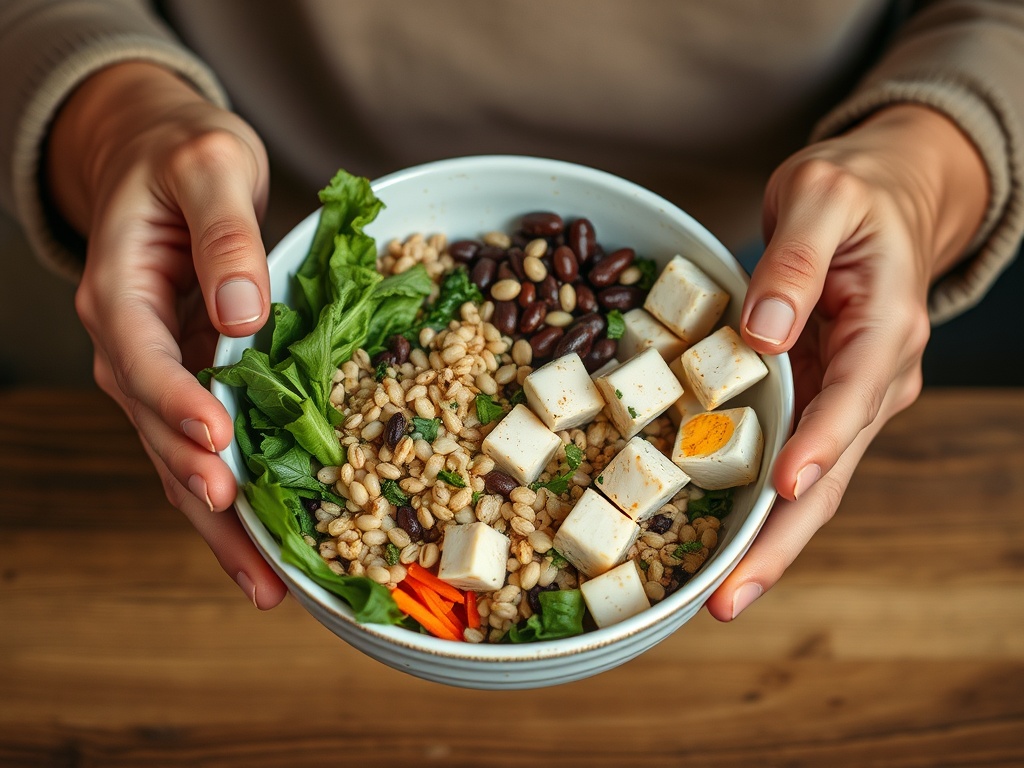
Whole grains such as oats, quinoa, farro, and whole wheat can add meaningful protein across the day. They should usually be viewed as supporting sources rather than the main anchor. A bowl with beans, grains, vegetables, and a soy-based topping will usually be more reliable than relying on grains alone.
How to Rank for Your Actual Life
Rank each option by three questions: Can I prepare it quickly? Does it fit my digestion and taste preferences? Does it help me reach protein needs without making the meal unbalanced? This practical ranking is more useful than a generic list because it respects budget, culture, cooking skill, and schedule.
For fat-loss goals, protein planning should support satiety and muscle retention without turning meals into punishment. The article on strength training approach for fat loss explains why resistance training and adequate fueling should work together. People building general consistency can also use sticky health and fitness goals to create a meal habit that survives busy weeks.
A Simple Plate-Building Method
Start with one protein anchor, add a fiber-rich carbohydrate, include colorful produce, and finish with a fat source that fits the meal. For example, tofu with rice and vegetables, lentils with whole-grain bread and salad, or chickpeas with quinoa and roasted vegetables can all work. The best meal is the one that provides enough nourishment and can be repeated without stress.
The next step is to choose two high-convenience proteins and one batch-cooked option for the coming week. That small rotation prevents decision fatigue while leaving room for variety. If digestion changes, portion sizes can be adjusted gradually instead of abandoning the whole plan.
Convenience Ranking by Meal Type
Breakfast often rewards low-prep proteins such as soy milk, tofu scramble, nut-and-seed toppings, or leftovers from dinner. Lunch may favor batch-cooked lentils, beans, or tempeh because they hold well in containers. Dinner can include more texture and variety, such as tofu, chickpeas, seitan, grains, and vegetables.
This meal-by-meal ranking is more realistic than a single master list. A food can be excellent nutritionally but inconvenient at the wrong time of day. The best weekly rotation includes one fast option, one batch option, and one high-satisfaction meal that keeps the pattern enjoyable.
How to Avoid Protein Monotony
Monotony is a common reason plant-based plans fade. Rotate texture as well as nutrition: soft tofu one day, crispy tempeh another, lentil soup for batch cooking, and edamame for a quick side. Different sauces, herbs, and cooking methods can make the same protein category feel new without rebuilding the entire diet.
Plant Protein Practical Ranking
| Source | Nutrition Strength | Convenience Note |
|---|---|---|
| Tofu and Tempeh | Protein-dense and versatile | Fast once a simple recipe is learned |
| Lentils and Beans | Protein plus fiber and minerals | Best when batch cooked or canned |
| Edamame | Easy soy protein with fiber | Freezer-friendly and quick |
| Seitan | Very protein-dense | Not suitable for gluten avoidance |
| Nuts and Seeds | Healthy fats plus some protein | Useful topping, not usually the main anchor |
| Whole Grains | Supportive protein and carbohydrates | Best paired with legumes or soy |
Turn the Ranking Into a Grocery Plan
Select two easy proteins and one batch-cooked protein before the week begins. That small rotation gives plant-based eating more structure without making every meal feel like a calculation.