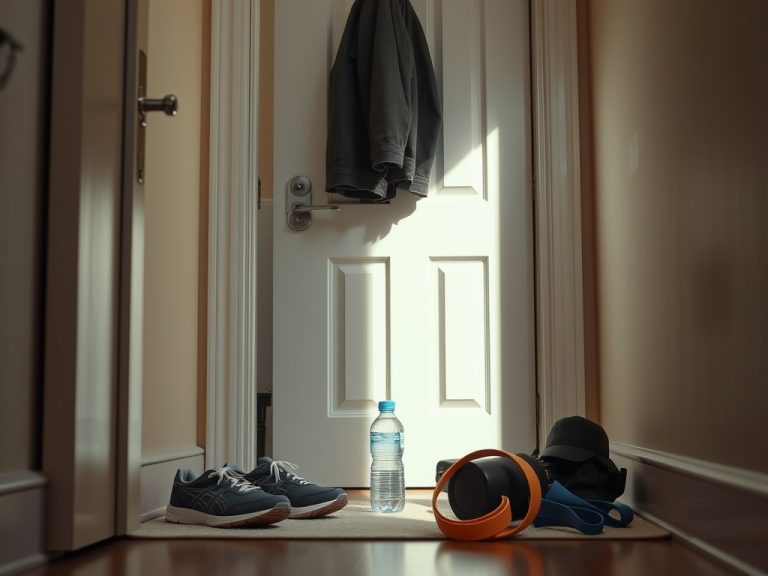
Exercise confidence after a health scare returns through medical clarity, small repeatable wins, and gradual progression.
Confidence Rebuild Roadmap
- Confidence after a health scare grows from safe clearance, small wins, and predictable progression rather than forced intensity.
- The first goal is often trust: learning how normal effort feels and which symptoms require stopping.
- Medical guidance matters when the health scare involved the heart, breathing, neurological symptoms, surgery, fainting, severe pain, or new medication.
Confidence Starts With Clarity and Permission
After a health scare, the hardest part of exercise may not be fitness. It may be uncertainty. A person may wonder which sensations are normal, which are warning signs, and whether movement will help or harm. Confidence grows when the plan begins with clear medical guidance and a small enough starting point to complete safely.
This article is not a substitute for personal medical advice. When the event involved the heart, breathing, fainting, surgery, neurological symptoms, severe pain, infection complications, or medication changes, clearance from a qualified clinician should come before independent progression.
Begin With the Safest Useful Dose
The first sessions should prove that movement can be predictable. That might mean five to ten minutes of gentle walking, basic mobility, light stretching, or supervised rehabilitation work. The aim is not to test the maximum. It is to collect evidence that the body can move and recover.
The CDC guidance for adults with chronic conditions and disabilities emphasizes being active as able and notes that some activity is better than none. That principle is valuable after a scare: the right dose is the one that is safe enough to repeat.
Use a Green, Yellow, and Red Signal System
A signal system reduces guessing. Green signals may include mild effort, normal breathing changes, and muscle fatigue that fades. Yellow signals may include unusual fatigue, discomfort that changes movement, or anxiety that makes pacing difficult. Red signals include chest pain, fainting, severe shortness of breath, new neurological symptoms, or pain that feels unsafe.
People returning after cardiac events may need structured care. The American Heart Association explains cardiac rehabilitation as a supervised path that includes activity, education, and lifestyle support. That kind of structure can protect confidence because the person does not have to interpret every sensation alone.

Rebuild Trust With Repeatable Wins
Confidence improves when the same safe session becomes easier. Choose one or two familiar activities and repeat them long enough to notice patterns. A short walking route, a chair-based strength circuit, or a gentle bike session may be more useful than a new workout every day.
Goal design matters here. The article on setting health and fitness goals can help turn a return-to-exercise plan into a floor, target, and stretch system. After a health scare, the floor is especially valuable because it lets progress continue on lower-energy days.
Add Strength Without Rushing Load
Strength training can support function, balance, independence, and daily confidence, but load should rise slowly. Begin with body weight, bands, machines, or light dumbbells as appropriate. Focus on clean movement, steady breathing, and stopping with reps still in reserve.
The National Institute on Aging provides exercise information for older adults through its exercise and physical activity resources. Even for younger readers, the same conservative principles apply after a scare: stable form, gradual progression, and attention to how the body responds later that day and the next morning.
Manage Fear Without Ignoring It
Fear is not weakness. It is information. If fear rises during movement, the plan may need a smaller step, a familiar environment, a partner, professional supervision, or clearer stop rules. Confidence rarely returns because someone decides to be brave once. It returns because repeated safe experiences make the activity feel less threatening.
Breathing routines may help some people separate effort from panic. The article on breathwork and stress regulation can support that skill. Nutrition also matters, and readers who are rebuilding strength can use plant-based protein planning or similar meal planning to avoid under-fueling recovery.
A Four-Stage Return Plan
Stage one is clearance and symptom rules. Stage two is short, easy, repeatable movement. Stage three adds light strength or longer aerobic work. Stage four introduces goal-specific progression. Each stage should be based on stable recovery, not impatience.
Keep a simple log with activity, effort, symptoms, mood, and next-day response. Bring that log to appointments if symptoms are confusing. The next educational step is to choose one medically appropriate activity, repeat it at a conservative dose, and let confidence grow from evidence rather than pressure.
What to Do When Progress Feels Too Slow
Slow progress can feel frustrating after a health scare because patience may already be strained. Instead of comparing the current plan to a pre-scare identity, compare it to last week. More confidence during the same walk, smoother breathing, better balance, or less fear at the start all count as meaningful progress.
If progress stalls, change only one factor. Add a few minutes, increase one strength exercise slightly, move to a calmer setting, or schedule supervised help. Changing everything at once makes it harder to know what worked and can make the return feel less safe.
How to Involve Supportive People
Support can be practical rather than dramatic. A walking partner, clinician, physical therapist, trainer, family member, or friend can help with pacing, transportation, reminders, or reassurance. The best support person respects stop rules and does not pressure the individual to prove courage through intensity.
Shared language helps. Tell the support person what green, yellow, and red signals mean before the session begins. That prevents debate during a stressful moment and makes it easier to stop, slow down, or continue calmly based on the plan.
The support arrangement should also include privacy and choice. The person returning to exercise should decide what information is shared and when encouragement feels helpful rather than intrusive, especially during the earliest confidence-building sessions.
Return-to-Exercise Confidence Signals
| Signal Level | Example | Response |
|---|---|---|
| Green | Mild effort that settles after rest | Continue the planned easy session |
| Yellow | Unusual fatigue or movement-changing discomfort | Slow down, shorten, or ask for guidance |
| Red | Chest pain, fainting, severe breathlessness, or new neurological symptoms | Stop and seek urgent medical help as appropriate |
| Progress Ready | Same session feels predictable across several attempts | Increase one variable slightly |
| Support Needed | Fear or symptoms prevent basic movement | Use supervised professional help |
Let Evidence Rebuild Trust
Let confidence grow from evidence. A small safe session repeated several times is more persuasive than one intense comeback workout.